Bengal Cat Complete Care Guide | Understanding Their Wild Beauty and Active Temperament
Comprehensive guide to Bengal cat care. Addressing high activity levels, high-protein diet, HCM genetic disease prevention, and environmental enrichment.

要点总结
Comprehensive guide to Bengal cat care. Addressing high activity levels, high-protein diet, HCM genetic disease prevention, and environmental enrichment.
相关品种
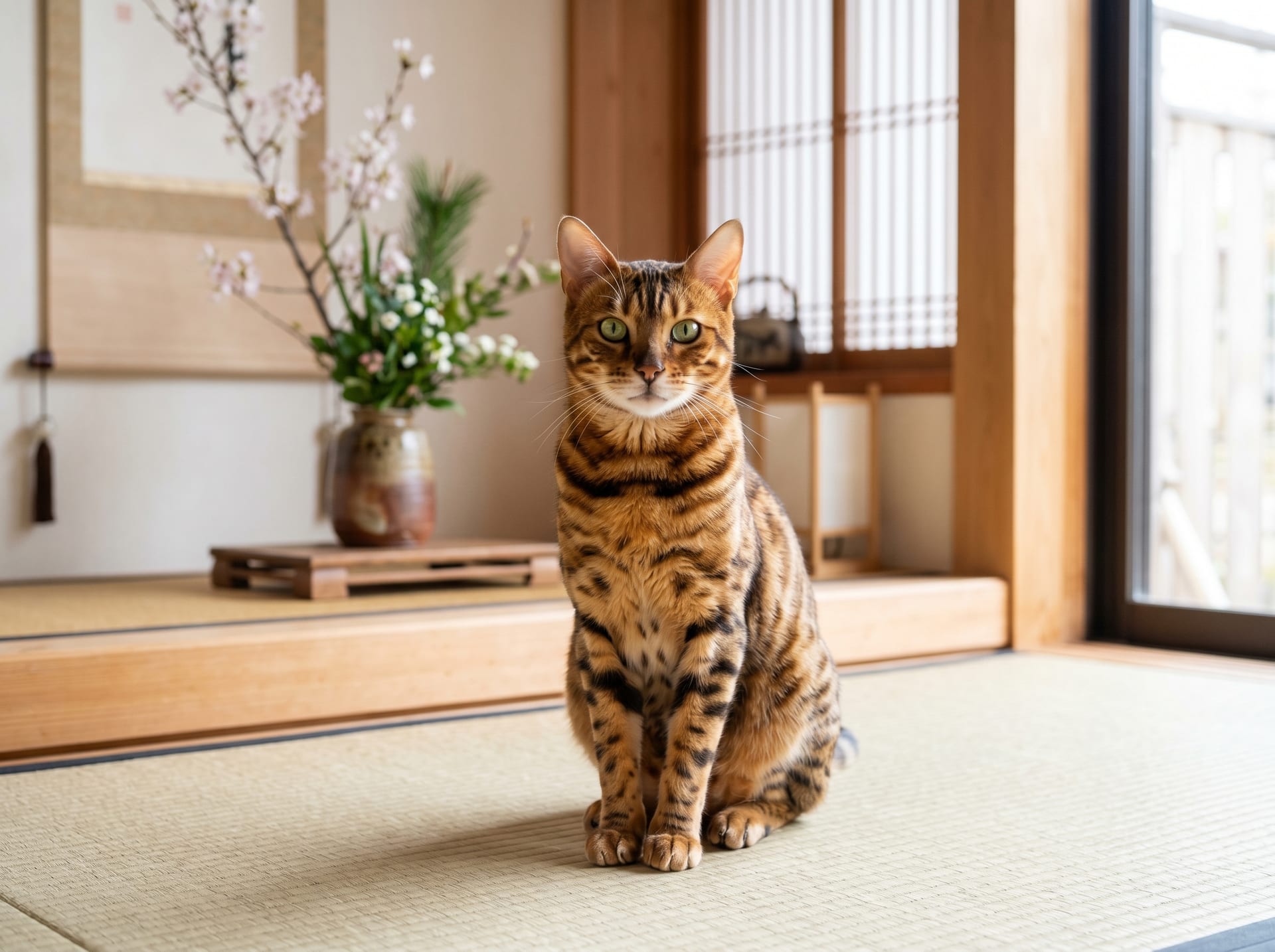
'## Bengal Cats: What They Are
Bengal cats are a hybrid breed born from crossing wild Asian Leopard Cats (Prionailurus bengalensis) with domestic cats. Development began in the United States in the 1960s-70s, and they are now officially recognized by organizations such as TICA (The International Cat Association). Their most distinctive features are their leopard-like wild spot and marble patterns, along with the unique coat shine called "glitter" that shimmers in light.
Basic Specifications
- Weight: Males 4.5-7kg, Females 3.5-5kg
- Size: Medium to Large
- Lifespan: 12-16 years
- Temperament: Active, highly curious, intelligent, many individuals enjoy water
- Vocalization: Highly vocal (may produce distinctive "chatcha-chatcha" sounds)
Bengal cats retain semi-wild behavioral traits beyond just their appearance, showing strong preferences for climbing to high places, playing with water, and chase games. They are often called "dog-like cats" and possess characteristics such as coming when called, the ability to learn leash training, and high learning capacity.
Housing and Indoor Setup
Space and Vertical Movement
Bengal cats have extremely high activity levels, and vertical exercise space is particularly crucial.
- Cat Tower: At least one large tower reaching from floor to near ceiling
- Cat Walkway: Wall-mounted shelves with graduated heights are ideal
- Hideaways: Box-style beds or hiding spaces at high locations
- Water Station: Pet fountains (flowing water) are particularly favored for drinking
Water Play Precautions
Many Bengal cats show interest in water and frequently enter sinks or bathtubs. It is important to think ahead about "how to manage water areas" before bringing one home. Take precautions such as not leaving water in the tub or closing bathroom cabinet doors.
Diet and Nutrition Management
Because Bengal cats carry Asian Leopard Cat heritage, high-protein, low-carbohydrate diets suit their physiology.
Recommended Diet
- High-quality grain-free complete nutrition foods (with meat or fish as primary ingredients)
- Regular wet food (also helpful for hydration)
- Many breeders incorporate raw feeding (BARF diet), but strict hygiene management is required
Important Considerations
- Standard domestic cat food is high in carbohydrates and prone to obesity; avoid excessive consumption
- Establish regular feeding 2-3 times daily and do not leave food out constantly
- During growth period (until age 1), support physical development with high-calorie kitten food
Play and Mental Enrichment
A Bengal cat's high intelligence can manifest as behavioral problems when bored. Especially in environments with extended alone time, this can lead to destructive behavior (knocking things over, chewing cords) or excessive grooming.
Recommended Play and Enrichment
- Vigorous hunting play with feather toys (20-30+ minutes daily)
- Puzzle feeders and interactive toys (stimulate mind while eating)
- Outdoor walks with harness and lead (possible with acclimatization)
- Cat videos on YouTube and bird videos (many individuals react to screens)
Multi-cat households with two or more Bengals serve as play partners for each other and effectively ensure adequate exercise. It is important to choose compatible companions, with other Bengals or active domestic cats of similar activity levels being ideal.
Common Health Issues and Health Management
Major Health Risks
- HCM (Hypertrophic Cardiomyopathy): A cardiac disease with genetic risk in Bengals. Echocardiography screening recommended every 1-2 years
- PRA (Progressive Retinal Atrophy): A genetic disorder leading to vision loss. Can be confirmed in advance via DNA testing
- FeLV Risk in Imported Cats: Imported individuals may carry feline leukemia virus. Confirm testing certificates at purchase
- Digestive Sensitivity: Many individuals develop diarrhea with diet changes. Transition over 2 weeks gradually
Daily Health Management
- Annual health check-ups (including cardiac screening)
- Nail trimming: 1-2 times weekly (keep short due to active scratching)
- Teeth brushing: Ideally 2-3 times weekly
- Coat brushing: Once weekly is sufficient despite short fur
When purchasing from a breeder, always verify the HCM screening results and PRA-b DNA test certificates from the breeding cats. Reputable breeders proactively disclose these health certifications.
Summary: Living with Bengal Cats
Bengal cats are particularly popular among experienced cat owners for their wild beauty, intelligence, and playful nature. However, their high activity and intelligence require owners who can provide adequate space for exercise and time for play. They may not suit those living alone or preferring quiet environments, but living with a Bengal's vibrant energy brings unparalleled stimulation and joy. Welcome a Bengal with health certifications from a reputable breeder and create a rich life together.'