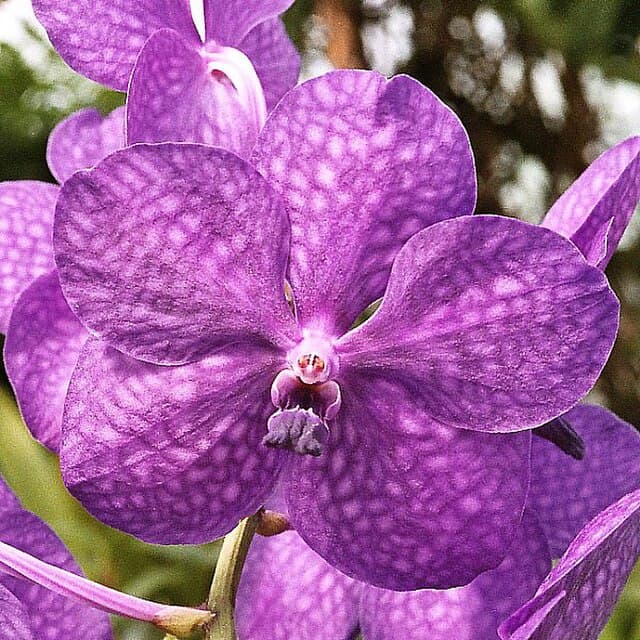
Source: Wikimedia Commons
Ascocenda
IntermediateA Vanda x Ascocentrum hybrid, smaller than Vanda with colorful flowers and easier cultivation.
ความยาก
Intermediate
อุณหภูมิ
15〜30℃
อายุขัย
10+ years
ขนาด
20-40cm
ความชื้น
50〜70%
อาหาร
−
เกี่ยวกับ
× Ascocenda, abbreviated as Ascda in the horticultural trade, was a human-made hybrid orchid genus resulting from a cross between the former genus Ascocentrum and Vanda. It was first described in Orchid Rev. 57: 172 (1949). Ascocentrum is now synonymous with Vanda, so the name is obsolete. Hybrids in the nothogenus × Ascocenda are now properly termed Vanda.
Source: Wikipedia (CC BY-SA 4.0)
ข้อมูลพื้นฐาน
แหล่งกำเนิด
intergeneric hybrid (Vanda × Ascocentrum), now classified under Vanda
อายุขัย
10+ years
ขนาด
20-40cm
อุณหภูมิ
15〜30℃
ความชื้น
50〜70%
อาหาร
−
คู่มือการดูแล
Size
Smaller than Vanda
Color
Colorful
Temperature
18-32°C
Culture
Hanging culture
OrchidAscocendaColorfulCompact
คำถามที่พบบ่อยAscocenda
Qการเลี้ยงAscocendaยากแค่ไหน?
A
Intermediate. นี่เป็นสายพันธุ์ระดับกลาง แนะนำให้มีประสบการณ์และความรู้ด้านการจัดการสภาพแวดล้อมบ้าง
Qอุณหภูมิที่เหมาะสมสำหรับAscocendaคือเท่าไร?
A
อุณหภูมิที่เหมาะสมสำหรับAscocendaคือ 15〜30℃ ความชื้นที่แนะนำคือ 50〜70% หลีกเลี่ยงการเปลี่ยนแปลงอุณหภูมิอย่างกะทันหันและรักษาสภาพแวดล้อมให้คงที่
QอายุขัยของAscocendaคือเท่าไร?
A
อายุขัยเฉลี่ยของAscocendaคือ 10+ years ด้วยการดูแลและโภชนาการที่เหมาะสม พวกเขาสามารถมีชีวิตที่ยืนยาวและแข็งแรง
QAscocendaโตได้ขนาดเท่าไร?
A
Ascocendaโดยทั่วไปจะโตได้ 20-40cm เมื่อเป็นผู้ใหญ่ ขนาดอาจแตกต่างกันขึ้นอยู่กับสภาพการดูแลและพันธุกรรม
Qควรให้อาหารAscocendaอะไร?
A
Ascocendaกินอาหาร: − มุ่งเน้นอาหารที่สมดุลและความถี่ในการให้อาหารที่เหมาะสม
Qราคาทั่วไปของAscocendaคือเท่าไร?
A
ราคาของAscocendaแตกต่างกันอย่างมากขึ้นอยู่กับมอร์ฟ ขนาด และสายพันธุ์ ตรวจสอบหน้าราคาตลาดของเราสำหรับข้อมูลราคาล่าสุด
สายพันธุ์ที่เกี่ยวข้อง
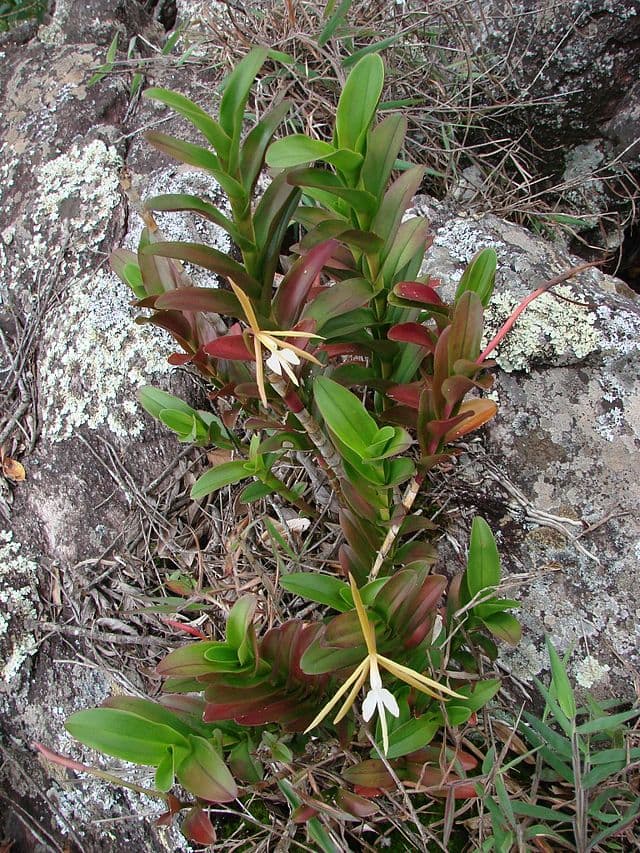
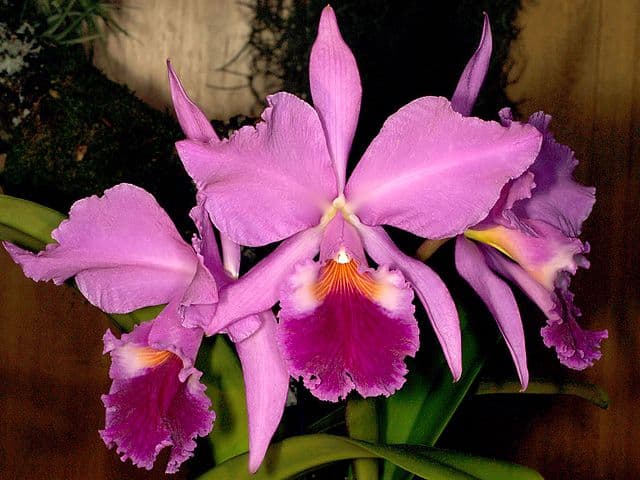
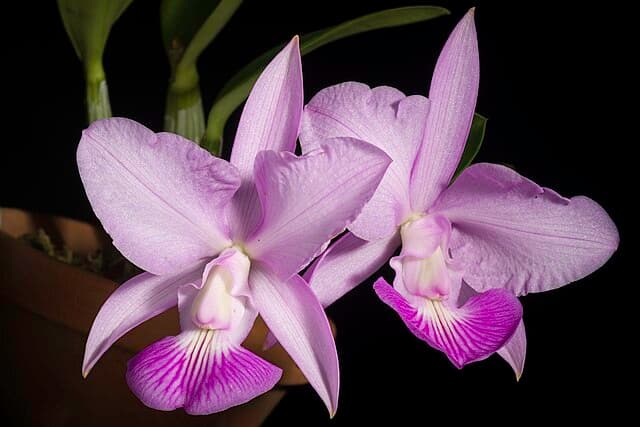
ค้นหารายการสำหรับสายพันธุ์นี้
ดูรายการOrchidบทความที่เกี่ยวข้อง
Complete Beginner's Guide to Orchid Growing
Everything beginners need to start growing orchids: placement, watering, fertilizing, repotting, blooming tips, and recommended starter species.
Orchid Encyclopedia — Popular Species & Care Guide
An encyclopedia of popular orchid species with blooming conditions, care difficulty, and fragrance for each.
How Much Does Orchid Growing Cost? Monthly Running Costs Explained
Monthly orchid care costs: sphagnum moss, bark, fertilizer, and chemicals, with cost breakdowns by orchid type.
Orchid Growth Cycles & Time to Bloom by Species
Orchid growth cycles and bloom timelines for phalaenopsis, cattleya, and dendrobium, with tips for reblooming.