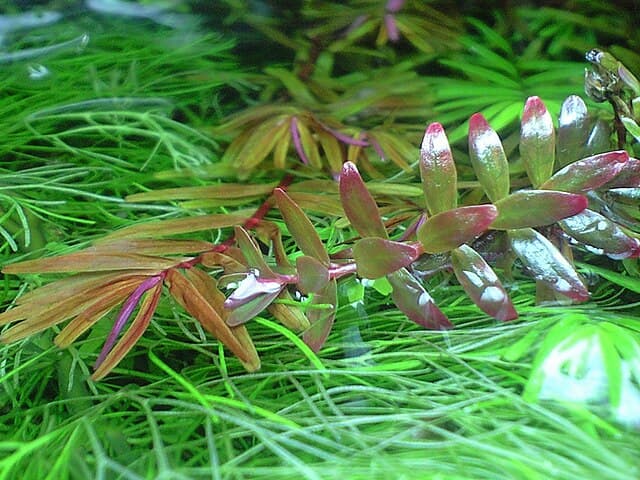
Source: Wikimedia Commons
Rotala
BeginnerRotala spp.
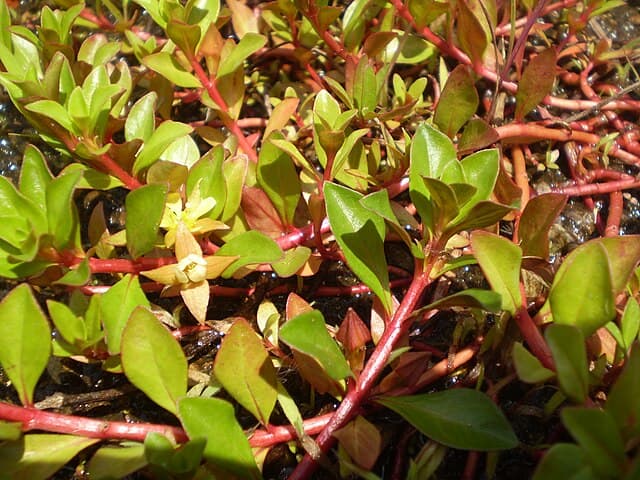
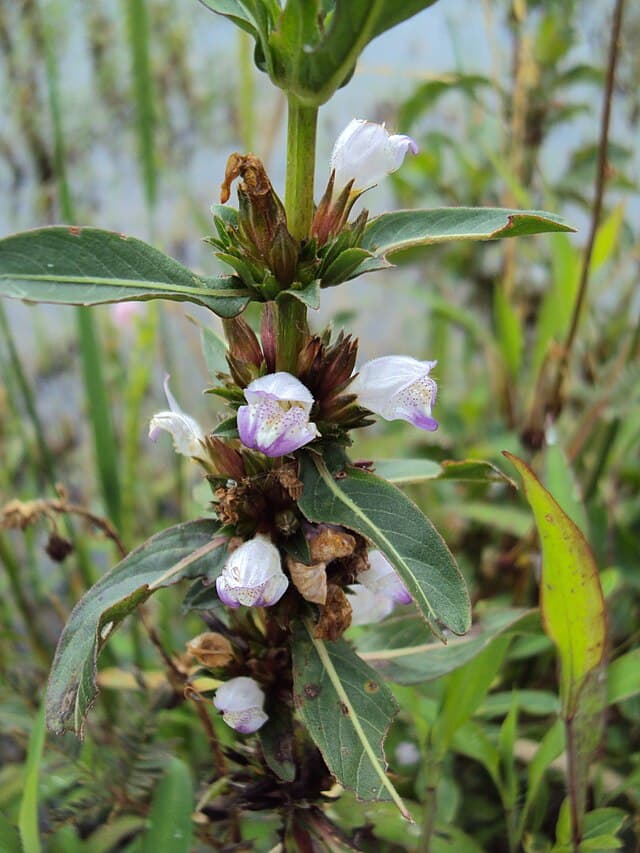
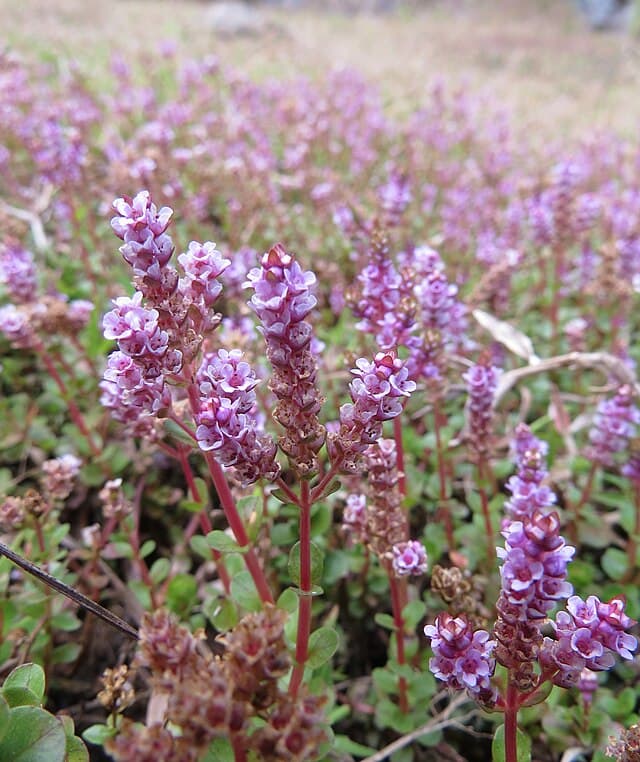
Essential background stem plant genus. Many species including R. rotundifolia and R. indica. Beautiful red coloration and dense bushes achievable through trimming.
Dificuldade
Beginner
Temperatura
22〜28℃
Tamanho
10-40cm
Dieta
CO2 recommended + liquid fert (iron is key for red color)
Sobre
Rotala is a large genus of aquatic plants in the family Lythraceae, distributed widely across tropical and subtropical wetlands of Asia, Africa, and the Americas. In the aquarium hobby numerous species are cultivated — most notably R. rotundifolia and R. indica — as essential background stem plants prized for their capacity to color red to orange under intense illumination and CO2 enrichment. Leaves are small and grow opposite along slender stems. The more light and iron-rich liquid fertilizer provided, the deeper and more vivid the red coloration becomes. Dense, bushy backgrounds are achieved through regular trimming and replanting of cut stems. Many species are forgiving for beginners, though requirements vary considerably between species, making species selection important.
Informações básicas
Origem
Tropical to subtropical regions of Asia, Africa, and the Americas
Tamanho
10-40cm
Temperatura
22〜28℃
Dieta
CO2 recommended + liquid fert (iron is key for red color)
Guia de Cuidados
Lighting
Medium to high light. More light = deeper red coloration
CO2
Recommended. Grows without but slower and less colorful
Trimming
Replant cuttings for denser growth. Stick trimmed stems back in
Notes
Iron deficiency causes pale leaves. Supplement with iron-rich liquid fert
Beginner-friendlyBackgroundRed coloringStem plant
FAQ de Rotala
QQual a dificuldade de manter Rotala?
A
Beginner. Esta é uma espécie amigável para iniciantes. Não é necessário equipamento especial ou experiência, e pode ser mantida com sucesso com uma configuração básica de cuidados.
QQual é a temperatura ideal para Rotala?
A
A temperatura ideal para Rotala é 22〜28℃. Evite mudanças bruscas de temperatura e mantenha um ambiente estável.
QQual o tamanho que Rotala atinge?
A
Rotala normalmente atinge 10-40cm quando adulto. O tamanho pode variar dependendo das condições de cuidado e genética individual.
Perguntas sobre Rotala
Encontrar listagens desta espécie