
Source: Wikimedia Commons
Highlander
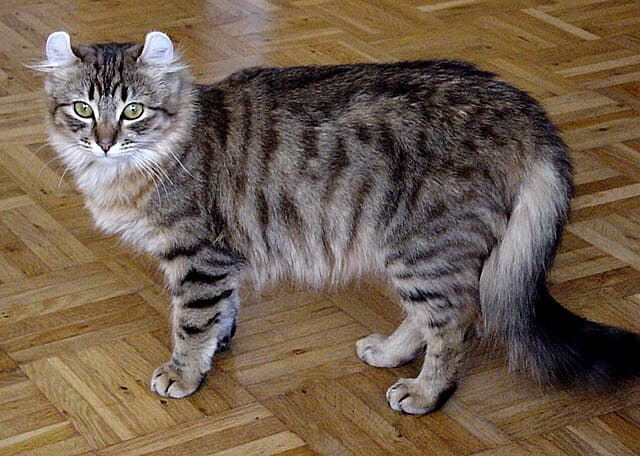
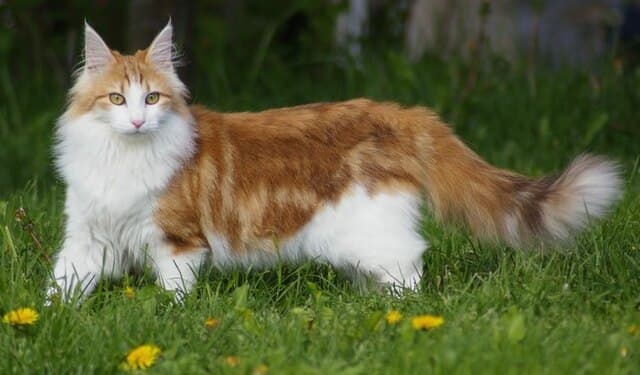
IntermediateLarge cat with curled ears and short tail. Muscular and wild-looking but very friendly and playful.
Difficulté
Intermediate
Température
18〜28℃
Durée de vie
10-15 years
Taille
Weight 4.5-11kg
Régime alimentaire
Cat food (complete nutrition)
À propos
The Highlander is a hybrid designer breed developed in the United States in the early 2000s from crossings of Desert Lynx and Jungle Curl cats. It is characterized by its curled ears and a naturally short bobbed tail, along with a large, muscular, wildcat-like appearance. Both short-haired and long-haired varieties exist, often with striking spotted or striped coat patterns. Despite their wild look, Highlanders are highly sociable, playful, and gentle, earning a reputation for a lifelong kitten-like personality. They get along well with children and other pets. The breed is recognized by TICA as a preliminary new breed.
Informations de base
Origine
United States
Durée de vie
10-15 years
Taille
Weight 4.5-11kg
Température
18〜28℃
Régime alimentaire
Cat food (complete nutrition)
Guide d'entretien
Temperament
Social and playful, good with children and other pets
Exercise
Active and loves play. Interactive toys recommended
Coat Care
Short or long coat. Short: weekly; long: 2-3 times per week
Origin
United States
LargeCurled earsFriendlyShort tail
FAQ Highlander
QQuelle est la difficulté de garder Highlander ?
A
Intermediate. C'est une espèce de niveau intermédiaire. Une certaine expérience préalable et des connaissances en gestion environnementale sont recommandées.
QQuelle est la température idéale pour Highlander ?
A
La température idéale pour Highlander est 18〜28℃. Évitez les changements brusques de température et maintenez un environnement stable.
QQuelle est la durée de vie de Highlander ?
A
La durée de vie moyenne de Highlander est 10-15 years. Avec des soins et une alimentation appropriés, ils peuvent vivre longtemps en bonne santé.
QQuelle taille atteint Highlander ?
A
Highlander atteint généralement Weight 4.5-11kg à l'âge adulte. La taille peut varier selon les conditions de soins et la génétique individuelle.
QQue dois-je donner à manger à Highlander ?
A
Highlander se nourrit de : Cat food (complete nutrition). Visez un régime équilibré avec une fréquence d'alimentation appropriée.
QQuel est le prix typique de Highlander ?
A
Le prix de Highlander varie considérablement selon le morph, la taille et la lignée. Consultez notre page de prix du marché pour les dernières informations.
Espèces apparentées
Trouver des annonces pour cette espèce
Parcourir les annonces CatArticles connexes
Complete Beginner's Guide to Keeping a Cat
Everything beginners need to start keeping a cat: preparation, litter, feeding, indoor environment, and popular breed tips.
Top 10 Popular Cat Breeds Compared — Temperament, Size & Ease of Care
Detailed comparison of 10 popular cat breeds: temperament, size, shedding, affection level, and overall ease of keeping.
Complete Kitten Training Guide — Litter, Scratching & Socialization
Essential kitten training during the 2-4 month socialization window: litter box success, designated scratching spots, curbing biting, and early socialization.
Cat Health Checklist — Daily Observation Points & Warning Signs
How to perform daily health checks on your cat: eyes, ears, mouth, coat, urine output, and recognizing symptoms that require a vet visit.