Source: Wikimedia Commons
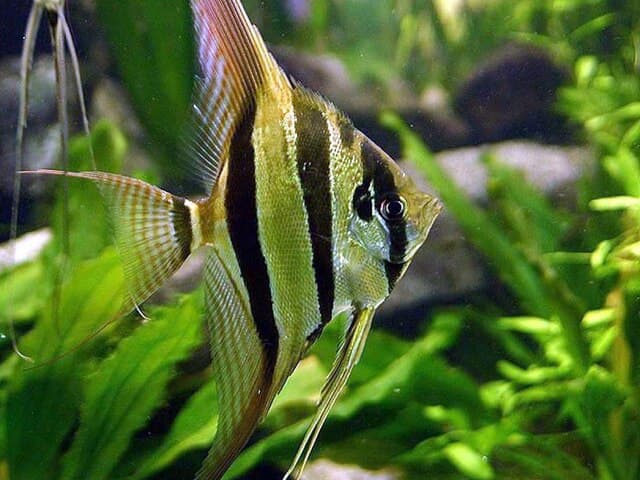
Angelfish
IntermediateIconic triangular silhouette synonymous with tropical fish. Many selectively bred varieties. Pair breeding is rewarding.
Dificultad
Intermediate
Temperatura
22〜28℃
Esperanza de vida
10-15 years
Tamaño
12-15cm (height exceeds 20cm)
Dieta
Pellets, frozen food
Acerca de
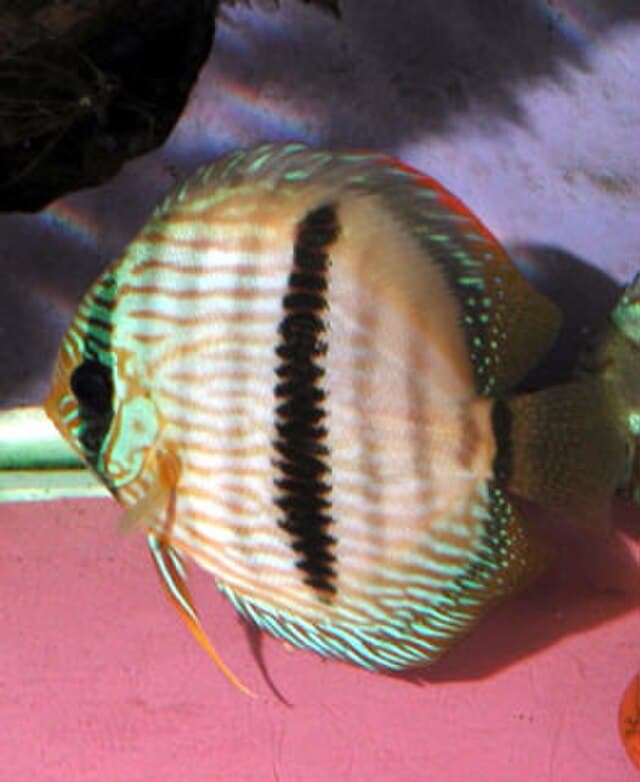
The angelfish (Pterophyllum scalare) is an iconic cichlid native to the Amazon and Orinoco River basins of South America. Its instantly recognizable triangular silhouette — created by dramatically elongated dorsal and ventral fins — combined with vertical black striping on a silver body has made it one of the most beloved aquarium fish worldwide. Body length reaches 12–15 cm, but height including fins can exceed 20 cm, making a tall tank (45 cm+ height) essential. Wild-type coloring is silver with black vertical bands, but selective breeding has yielded gold, marble, bicolor, veil-tail, and many other varieties. Angelfish prefer slightly warm, slightly acidic to neutral water (25–30°C, pH 6.5–7.0). Though generally peaceful, they exhibit typical cichlid territorial behavior during breeding: bonded pairs will aggressively defend their spawning area. Small fish such as neon tetras risk predation when kept together. They accept most aquarium foods — pellets, frozen bloodworms, brine shrimp — readily. Pairs spawn on flat surfaces and both parents take turns guarding eggs and fry, displaying exceptional parental care.
Información básica
Origen
Amazon and Orinoco River basins, South America
Esperanza de vida
10-15 years
Tamaño
12-15cm (height exceeds 20cm)
Temperatura
22〜28℃
Dieta
Pellets, frozen food
Guía de cuidado
Tank
45cm+ tall tank recommended
Temperature
25-30°C
Compatibility
May eat small fish — be careful
Breeding
Pairs spawn on flat surfaces
Notes
Some individuals become aggressive as they grow
ElegantPopularBreedableCichlid
Preguntas frecuentes de Angelfish
Q¿Qué tan difícil es mantener Angelfish?
A
Intermediate. Esta es una especie de nivel intermedio. Se recomienda algo de experiencia previa y conocimiento de gestión ambiental.
Q¿Cuál es la temperatura ideal para Angelfish?
A
La temperatura ideal para Angelfish es 22〜28℃. Evita cambios bruscos de temperatura y mantén un ambiente estable.
Q¿Cuál es la esperanza de vida de Angelfish?
A
La esperanza de vida promedio de Angelfish es 10-15 years. Con cuidados y nutrición adecuados, pueden vivir una vida larga y saludable.
Q¿Qué tamaño alcanza Angelfish?
A
Angelfish típicamente alcanza 12-15cm (height exceeds 20cm) como adulto. El tamaño puede variar según las condiciones de cuidado y la genética individual.
Q¿Qué debo alimentar a Angelfish?
A
Angelfish se alimenta de: Pellets, frozen food. Apunta a una dieta equilibrada con una frecuencia de alimentación adecuada.
Q¿Cuál es el precio típico de Angelfish?
A
El precio de Angelfish varía significativamente según el morfo, tamaño y linaje. Consulta nuestra página de precios de mercado para información actualizada.
Preguntas sobre Angelfish
Especies relacionadas
Buscar listados de esta especie
Explorar listados de Tropical FishArtículos relacionados
Angelfish Care Guide — Elegance, Varieties & Tankmate Compatibility
Guide to angelfish care: breed characteristics, ideal tank size and water parameters, compatible tankmates, breeding from spawning to fry rearing, and common troubleshooting.
Angelfish Pairing Behavior Guide — Pair Formation & Spawning Signs
How angelfish form pairs: group raising, pair bond behaviors, spawning site cleaning, egg guarding, and fry separation timing.
Marine Angelfish Selection Guide — Beginner-Friendly Species & Care
Guide to selecting marine angelfish: dwarf vs large species, reef compatibility, and care difficulty.
Marine Angelfish Compatibility Guide — Mixing Dwarf & Large Species
Marine angelfish compatibility: dwarf vs large species coexistence, coral nipping risk assessment, and safe tank mate selections.