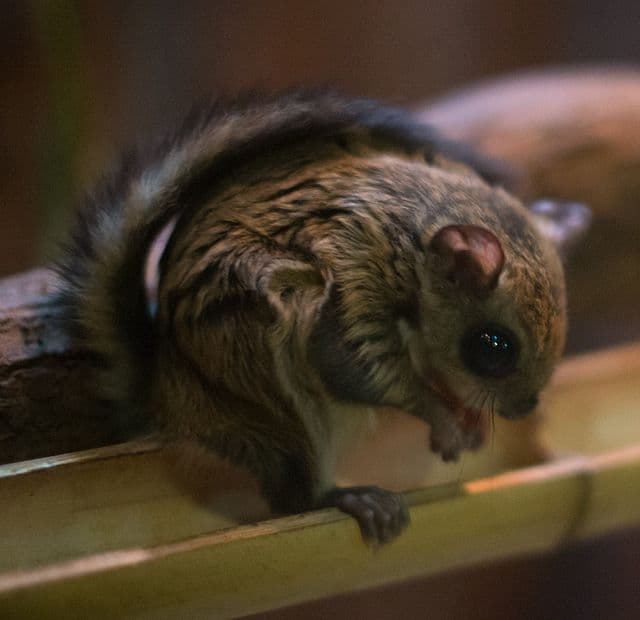
Source: Wikimedia Commons
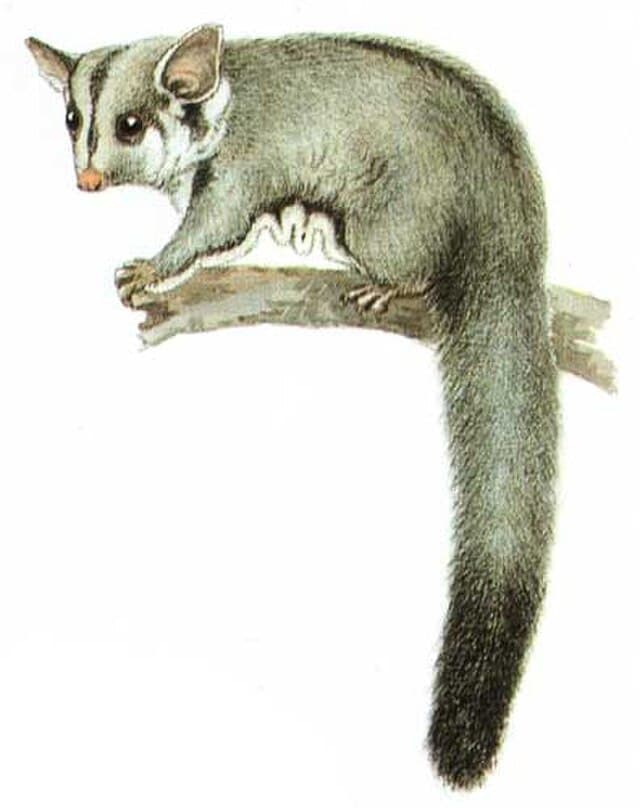
Japanese Dwarf Flying Squirrel
AdvancedAdorable gliding squirrel with large eyes and fluffy fur. Nocturnal and shy but bonds with patient owners.
Dificultad
Advanced
Temperatura
18〜26℃
Esperanza de vida
10-15 years
Tamaño
14-20cm (with tail) / 150-220g
Humedad
40〜60%
Dieta
Flying squirrel food, insects, fruits, sap jelly
Acerca de
Flying squirrels are a group of small gliding rodents in the family Sciuridae, found across Eurasia and North America. The species most commonly kept as pets include the Southern flying squirrel (Glaucomys volans) from North America and the Siberian flying squirrel (Pteromys volans). Adults measure 10–15 cm and weigh 50–150 g. Their defining feature is the patagium—a membrane stretching between the wrists and ankles—that allows them to glide between trees. They are nocturnal, with large eyes adapted for low-light vision. Flying squirrels can be shy and require patient, consistent socialization before they become comfortable with handling. Keeping them in pairs is recommended for their social well-being. Housing must be a tall cage (minimum 60 cm height) furnished with branches, perches, and a nest box. Diet is omnivorous: fruits, seeds, insects, and nuts. Optimal temperature is 20–28 °C. Common health concerns include metabolic bone disease from calcium deficiency and stress-related illness. Lifespan in captivity is 6–10 years.
Source: Wikipedia (CC BY-SA 4.0)
Información básica
Origen
Eurasia and North America
Esperanza de vida
10-15 years
Tamaño
14-20cm (with tail) / 150-220g
Temperatura
18〜26℃
Humedad
40〜60%
Dieta
Flying squirrel food, insects, fruits, sap jelly
Guía de cuidado
Cage
Tall large cage with gliding space and perches
Taming
Carry in a bonding pouch on your body to accelerate taming
Diet
Omnivore. Balance insects, fruits, and specialized food
Notes
Nocturnal and active at night. Long lifespan requires commitment
AdvancedGlidingLarge eyesNocturnal
Preguntas frecuentes de Japanese Dwarf Flying Squirrel
Q¿Qué tan difícil es mantener Japanese Dwarf Flying Squirrel?
A
Advanced. Esta es una especie de nivel avanzado. Requiere equipo especializado y habilidades avanzadas de cría con control ambiental preciso.
Q¿Cuál es la temperatura ideal para Japanese Dwarf Flying Squirrel?
A
La temperatura ideal para Japanese Dwarf Flying Squirrel es 18〜26℃. La humedad recomendada es 40〜60%. Evita cambios bruscos de temperatura y mantén un ambiente estable.
Q¿Cuál es la esperanza de vida de Japanese Dwarf Flying Squirrel?
A
La esperanza de vida promedio de Japanese Dwarf Flying Squirrel es 10-15 years. Con cuidados y nutrición adecuados, pueden vivir una vida larga y saludable.
Q¿Qué tamaño alcanza Japanese Dwarf Flying Squirrel?
A
Japanese Dwarf Flying Squirrel típicamente alcanza 14-20cm (with tail) / 150-220g como adulto. El tamaño puede variar según las condiciones de cuidado y la genética individual.
Q¿Qué debo alimentar a Japanese Dwarf Flying Squirrel?
A
Japanese Dwarf Flying Squirrel se alimenta de: Flying squirrel food, insects, fruits, sap jelly. Apunta a una dieta equilibrada con una frecuencia de alimentación adecuada.
Q¿Cuál es el precio típico de Japanese Dwarf Flying Squirrel?
A
El precio de Japanese Dwarf Flying Squirrel varía significativamente según el morfo, tamaño y linaje. Consulta nuestra página de precios de mercado para información actualizada.
Preguntas sobre Japanese Dwarf Flying Squirrel
Especies relacionadas
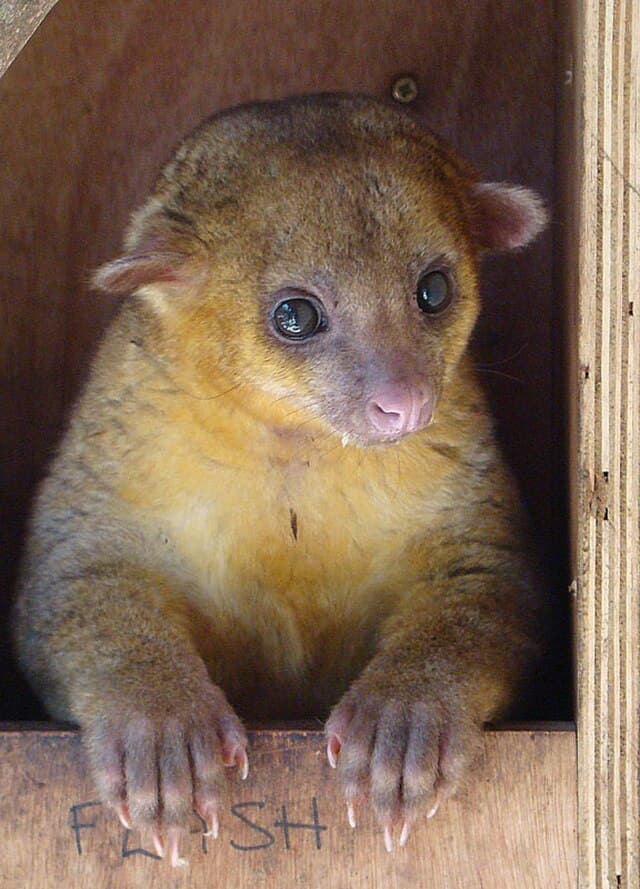
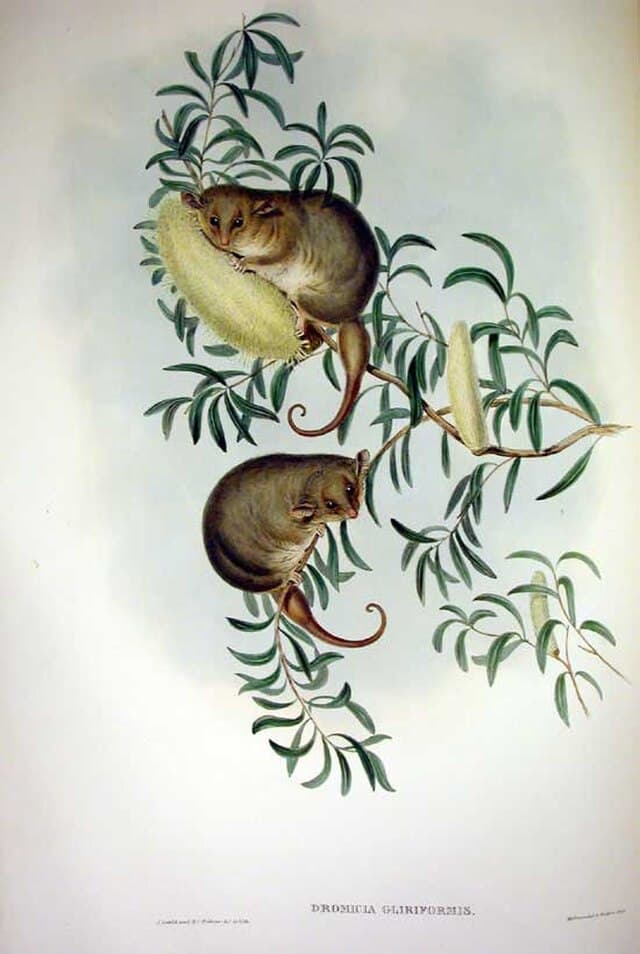
Buscar listados de esta especie
Explorar listados de Small AnimalArtículos relacionados
Sugar Glider Care Complete Guide — Diet, Cage Setup & Bonding Tips
Complete care guide for sugar gliders: diet and nutrition, cage requirements, bonding and taming techniques, and health management basics.
Complete Beginner's Guide to Small Pet Keeping
Everything beginners need to start keeping small pets: species comparison, cage and bedding selection, feeding, temperature management, and preparation checklist.
Small Pet Cage Setup Guide — Optimal Layouts by Species
Species-specific cage setup guide for hamsters, rabbits, chinchillas, hedgehogs, and guinea pigs: sizing, bedding, accessories, and cleaning tips.
Small Pet Health Checklist — Daily Observation & Warning Signs
Daily health checklist for small pets: appetite, droppings, fur condition, behavior changes, choosing an exotic vet, and emergency first aid.