Cryptocoryne parva
IntermediateCryptocoryne parva
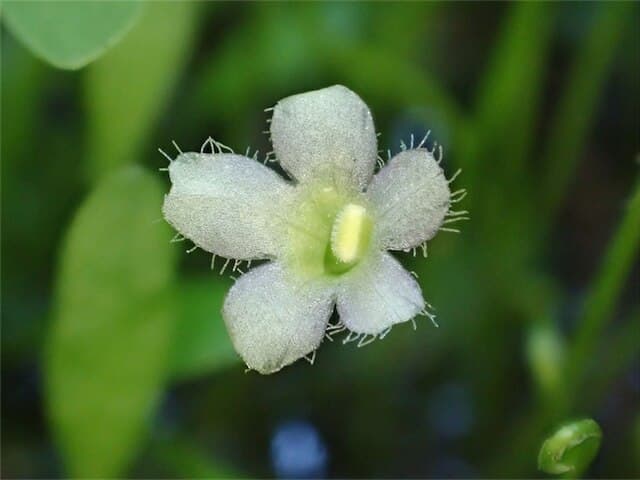
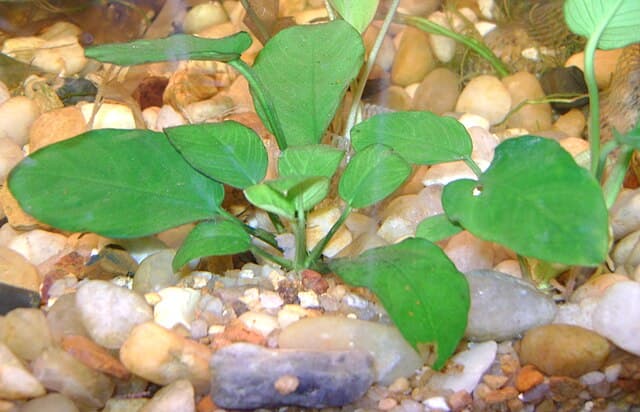
The smallest Cryptocoryne species. Used as a foreground plant, growing very slowly. Once established it is hardy and easy to maintain. Grows without CO2 in low light.
Schwierigkeit
Intermediate
Temperatur
22〜28℃
Größe
3-8cm
Ernährung
Root tabs most effective
Über uns
Cryptocoryne parva is a plant from the genus Cryptocoryne native to Sri Lanka. The smallest Cryptocoryne species, growing only 3-8cm tall. Slow growth makes it easy to use as foreground plant. Once established it is hardy, growing in low light without CO2. Low maintenance with minimal trimming needs, easy to keep long-term.
Grundinformationen
Herkunft
Sri Lanka
Größe
3-8cm
Temperatur
22〜28℃
Ernährung
Root tabs most effective
Pflegeanleitung
Lighting
Grows under low light
CO2
Not required. Grows without it
Substrate
Stable growth with nutrient soil or root tabs
Notes
May experience 'Crypt melt' with environmental changes
CryptocoryneSmallForegroundNo CO2 needed
Cryptocoryne parva-FAQ
QWie schwierig ist es, Cryptocoryne parva zu halten?
A
Intermediate. Dies ist eine Art mittleren Schwierigkeitsgrades. Etwas Vorerfahrung und Kenntnisse im Umgebungsmanagement werden empfohlen.
QWas ist die ideale Temperatur für Cryptocoryne parva?
A
Die ideale Temperatur für Cryptocoryne parva ist 22〜28℃. Vermeiden Sie plötzliche Temperaturänderungen und halten Sie eine stabile Umgebung aufrecht.
QWie groß wird Cryptocoryne parva?
A
Cryptocoryne parva erreicht als Erwachsener typischerweise 3-8cm. Die Größe kann je nach Haltungsbedingungen und individueller Genetik variieren.
QWas sollte ich Cryptocoryne parva füttern?
A
Cryptocoryne parva ernährt sich von: Root tabs most effective. Streben Sie eine ausgewogene Ernährung mit angemessener Fütterungshäufigkeit an.
QWas ist der typische Preis für Cryptocoryne parva?
A
Der Preis von Cryptocoryne parva variiert erheblich je nach Morph, Größe und Abstammung. Überprüfen Sie unsere Marktpreisseite für aktuelle Preisinformationen.
Verwandte Arten
Angebote für diese Art finden
Aquatic Plant-Angebote durchsuchenVerwandte Artikel
Rare Cryptocoryne Species Guide — Collector Varieties & Cultivation Tips
Guide to rare Cryptocoryne species: locality variations, water parameters, crypt melt prevention, propagation, and collector's species profiles.
Cryptocoryne Care Guide — Understanding Crypt Melt and Exploring Diverse Varieties
Growing Cryptocoryne aquatic plants: causes and solutions for crypt melt, substrate selection for root feeding, and an overview of diverse species.
Complete Guide to Aquatic Plant Pearling
Learn the science of aquatic plant pearling: how light, CO2, and fertilizer balance produce oxygen bubbles, and how to maximize this beautiful phenomenon.
Complete Guide to Quarantining New Aquatic Plants
How to quarantine newly purchased aquatic plants: remove snail eggs, wash off residual pesticides, prevent algae, and keep shrimp tanks safe.