Leaf-eared Mouse
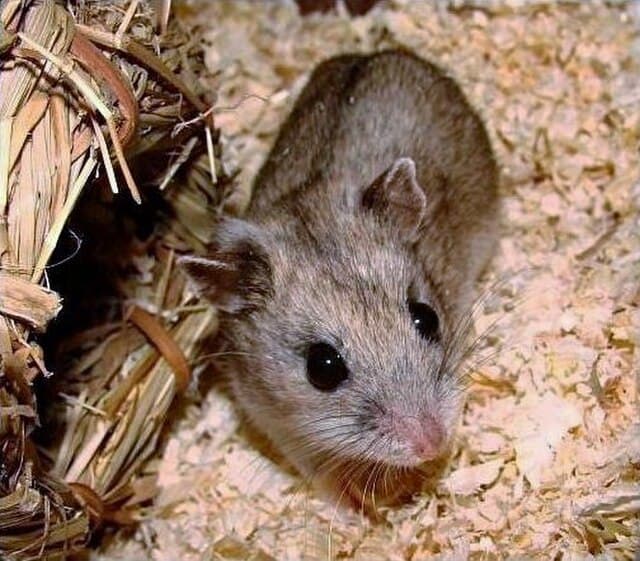
IntermediateSmall rodent from the South American Andes. Named for large leaf-shaped ears. Native to arid regions and enjoys sand baths for grooming.
Dificuldade
Intermediate
Temperatura
18〜26℃
Expectativa de vida
3-5 years
Tamanho
8-14cm / 20-50g
Umidade
40〜60%
Dieta
Rodent pellets, seeds, dried herbs, small amounts of insects
Sobre
Leaf-eared mice (genus Phyllotis) are small rodents native to the Andean highlands and coastal deserts of Chile, Peru, Bolivia, and Argentina. Adults measure 8–14 cm in body length (excluding tail) and weigh 20–50 g. Their common name refers to their large, thin, leaf-shaped ears, which are distinctive among South American rodents. Adapted to arid and semi-arid habitats, they prefer low-humidity environments and enjoy sand-bathing. As exotic pets, they are extremely rare in Japan, and reliable husbandry information is limited. They are best suited for highly experienced exotic small mammal keepers. Housing in a secure glass enclosure with a permanent sand bath area and dry substrate is recommended. Diet consists primarily of seeds, dried plant material, and occasional small insects; high-moisture foods should be minimized. Optimal temperature is 20–26 °C. Common health concerns include parasites, dermatological conditions, and fractures. Lifespan is approximately 2–4 years.
Informações básicas
Origem
Chile, Peru, Bolivia, and Argentina (Andes and coastal deserts)
Expectativa de vida
3-5 years
Tamanho
8-14cm / 20-50g
Temperatura
18〜26℃
Umidade
40〜60%
Dieta
Rodent pellets, seeds, dried herbs, small amounts of insects
Guia de Cuidados
Housing
Provide permanent sand bath. Prefers dry environment, humidity control key
Diet
Seeds and dried plants as staple. Limit high-moisture foods
Temperature
15-25°C optimal. Dislikes heat and humidity, dehumidify in summer
Temperament
Shy but will eat from hand once tame. Avoid sudden movements
Large earsSand bathingSouth AmericanSmall
FAQ de Leaf-eared Mouse
QQual a dificuldade de manter Leaf-eared Mouse?
A
Intermediate. Esta é uma espécie de nível intermediário. Alguma experiência prévia e conhecimento de gestão ambiental são recomendados.
QQual é a temperatura ideal para Leaf-eared Mouse?
A
A temperatura ideal para Leaf-eared Mouse é 18〜26℃. A umidade recomendada é 40〜60%. Evite mudanças bruscas de temperatura e mantenha um ambiente estável.
QQual é a expectativa de vida de Leaf-eared Mouse?
A
A expectativa de vida média de Leaf-eared Mouse é 3-5 years. Com cuidados e nutrição adequados, podem viver uma vida longa e saudável.
QQual o tamanho que Leaf-eared Mouse atinge?
A
Leaf-eared Mouse normalmente atinge 8-14cm / 20-50g quando adulto. O tamanho pode variar dependendo das condições de cuidado e genética individual.
QO que devo alimentar Leaf-eared Mouse?
A
Leaf-eared Mouse se alimenta de: Rodent pellets, seeds, dried herbs, small amounts of insects. Busque uma dieta equilibrada com frequência de alimentação adequada.
QQual é o preço típico de Leaf-eared Mouse?
A
O preço de Leaf-eared Mouse varia significativamente dependendo do morfo, tamanho e linhagem. Consulte nossa página de preços de mercado para informações atualizadas.
Perguntas sobre Leaf-eared Mouse
Espécies relacionadas
Encontrar listagens desta espécie
Explorar listagens de Small AnimalArtigos relacionados
Complete Succulent Leaf Propagation Guide — Tips to Boost Success Rate by Species
How to propagate succulents from leaves: removal technique, drying period, rooting medium, success rates by genus (Echeveria, Graptopetalum, Sedum), and common mistakes.
Succulent Leaf & Stem Propagation Guide — Tips for Success
Detailed guide to succulent propagation via leaf and stem cuttings: timing, soil, care, and techniques for higher success rates.
Agave Leaf Damage Recovery — Treating Sunburn, Scars and Breaks
Handling agave leaf damage: prevention strategies, treating sunburn and physical injuries, leaf removal decisions, and maintaining a beautiful rosette form.
Complete Beginner's Guide to Small Pet Keeping
Everything beginners need to start keeping small pets: species comparison, cage and bedding selection, feeding, temperature management, and preparation checklist.