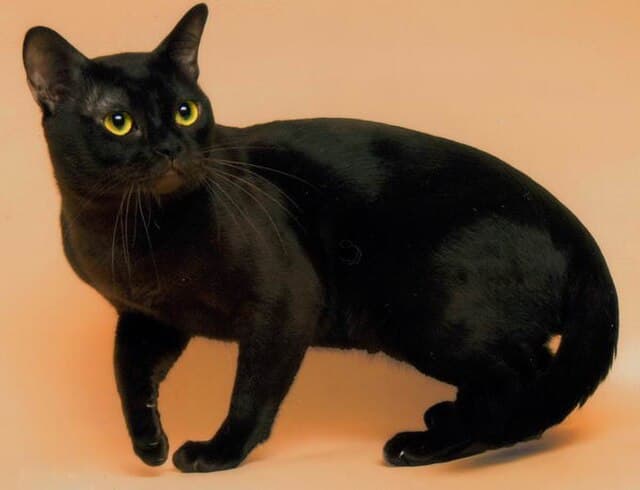
Source: Wikimedia Commons
American Burmese
BeginnerAmerican type of Burmese. Rounded body and large round eyes, affectionate and sociable.
Dificuldade
Beginner
Temperatura
18〜28℃
Expectativa de vida
10-17 years
Tamanho
3.5-5.5kg
Dieta
Dry food, balanced diet
Sobre
The American Burmese is the North American standard of the Burmese breed, developed separately from the British Burmese and distinguished by a rounder, more cobby body, broader head, and larger round eyes. Like all Burmese, it descends from Wong Mau, a cat brought from Burma to the United States in 1930. American Burmese are compact and heavy-boned cats with a satin-like short coat available in several colors, with sable (dark brown) being traditional. They are extremely affectionate, people-oriented cats often described as dog-like. Health concerns specific to the American type include a genetic predisposition to craniofacial defects.
Informações básicas
Origem
United States
Expectativa de vida
10-17 years
Tamanho
3.5-5.5kg
Temperatura
18〜28℃
Dieta
Dry food, balanced diet
Guia de Cuidados
Temperament
Affectionate, sociable, called dog-like cat
Exercise
Active indoor play
Coat Care
Short coat, easy care, weekly brushing
Origin
United States (Myanmar origin)
Notes
Dislikes being alone, watch for diabetes
Medium catShorthairSociableAffectionate
FAQ de American Burmese
QQual a dificuldade de manter American Burmese?
A
Beginner. Esta é uma espécie amigável para iniciantes. Não é necessário equipamento especial ou experiência, e pode ser mantida com sucesso com uma configuração básica de cuidados.
QQual é a temperatura ideal para American Burmese?
A
A temperatura ideal para American Burmese é 18〜28℃. Evite mudanças bruscas de temperatura e mantenha um ambiente estável.
QQual é a expectativa de vida de American Burmese?
A
A expectativa de vida média de American Burmese é 10-17 years. Com cuidados e nutrição adequados, podem viver uma vida longa e saudável.
QQual o tamanho que American Burmese atinge?
A
American Burmese normalmente atinge 3.5-5.5kg quando adulto. O tamanho pode variar dependendo das condições de cuidado e genética individual.
QO que devo alimentar American Burmese?
A
American Burmese se alimenta de: Dry food, balanced diet. Busque uma dieta equilibrada com frequência de alimentação adequada.
QQual é o preço típico de American Burmese?
A
O preço de American Burmese varia significativamente dependendo do morfo, tamanho e linhagem. Consulte nossa página de preços de mercado para informações atualizadas.
Espécies relacionadas
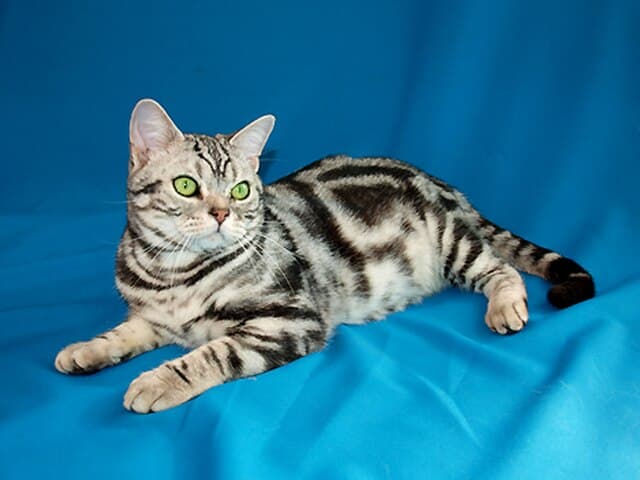
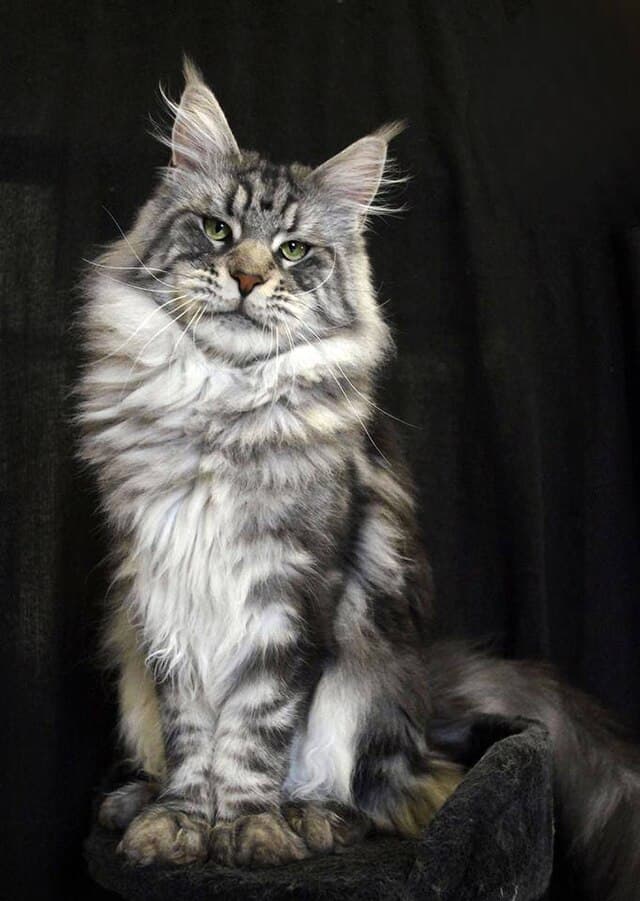
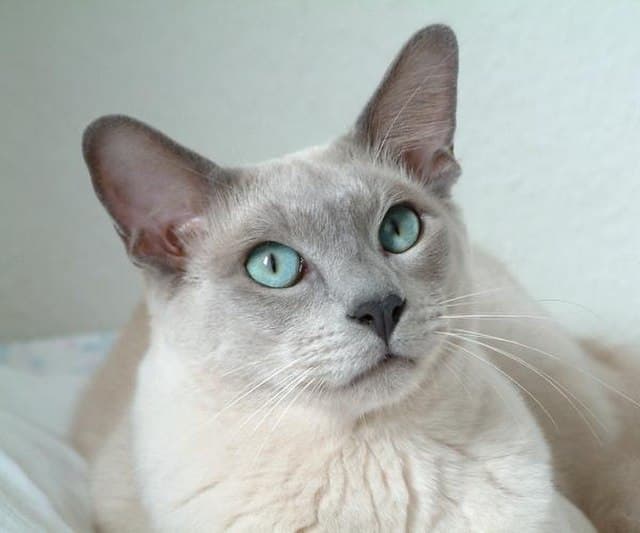
Encontrar listagens desta espécie
Explorar listagens de CatArtigos relacionados
Complete Beginner's Guide to Keeping a Cat
Everything beginners need to start keeping a cat: preparation, litter, feeding, indoor environment, and popular breed tips.
Top 10 Popular Cat Breeds Compared — Temperament, Size & Ease of Care
Detailed comparison of 10 popular cat breeds: temperament, size, shedding, affection level, and overall ease of keeping.
Complete Kitten Training Guide — Litter, Scratching & Socialization
Essential kitten training during the 2-4 month socialization window: litter box success, designated scratching spots, curbing biting, and early socialization.
Cat Health Checklist — Daily Observation Points & Warning Signs
How to perform daily health checks on your cat: eyes, ears, mouth, coat, urine output, and recognizing symptoms that require a vet visit.