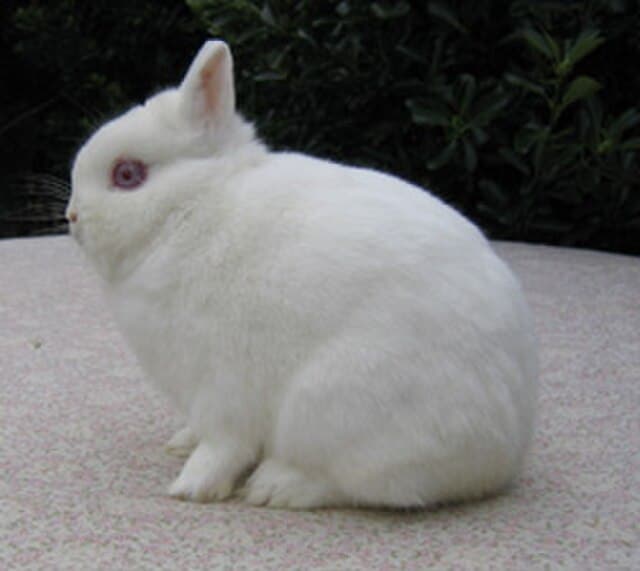
Source: Wikimedia Commons
Polish Rabbit
BeginnerSmall, compact rabbit with a rounded body. Calm and composed temperament. Popular as a show rabbit and elegant breed.
Difficulté
Beginner
Température
18〜26℃
Durée de vie
5-7 years
Taille
20-25cm / 0.9-1.6kg
Humidité
40〜60%
Régime alimentaire
Timothy hay, rabbit pellets, small amounts of vegetables
À propos
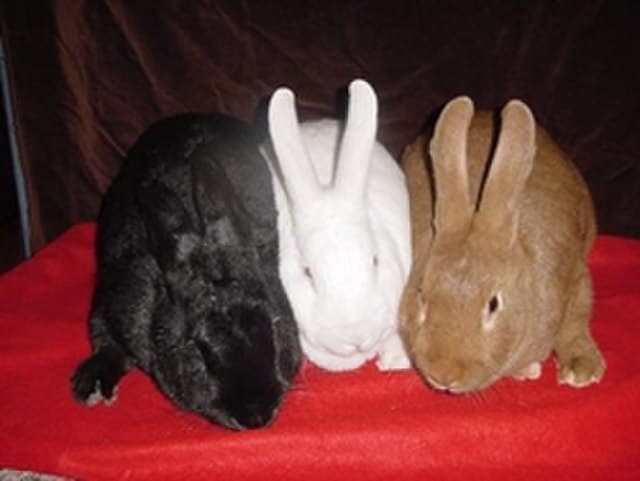
The Polish rabbit is one of the smallest domestic rabbit breeds, with adults measuring 20–25 cm and weighing 0.9–1.6 kg. Despite its name, its precise origin is debated; it is believed to have been developed in England in the 19th century. Their rounded, compact body, short upright ears, large eyes, and domed skull give them a distinctly small and refined appearance. Recognized colors include white (with ruby or blue eyes), black, blue, chocolate, and broken patterns. Polish rabbits tend to be calm and quiet, preferring a peaceful environment. They are intelligent and can become affectionate with attentive owners. Despite their small size, they require daily free-roaming exercise and a cage of at least 60 cm width. Diet consists of unlimited timothy hay, limited pellets, and fresh vegetables. Common health concerns include dental malocclusion (due to compact skull structure), GI stasis, and fractures. Lifespan is 5–8 years.
Informations de base
Origine
United Kingdom (19th century)
Durée de vie
5-7 years
Taille
20-25cm / 0.9-1.6kg
Température
18〜26℃
Humidité
40〜60%
Régime alimentaire
Timothy hay, rabbit pellets, small amounts of vegetables
Guide d'entretien
Cage
Small cage suitable. Prefers quiet environments
Diet
Small size means careful portion control. Prone to obesity
Temperament
Calm and enjoys being held. Can be stress-sensitive
Notes
Small size makes them cold-sensitive. Winter warmth needed
Beginner-friendlyVery smallCalmShow quality
FAQ Polish Rabbit
QQuelle est la difficulté de garder Polish Rabbit ?
A
Beginner. C'est une espèce adaptée aux débutants. Aucun équipement spécial ni expérience n'est requis, et elle peut être maintenue avec succès avec une installation de soins de base.
QQuelle est la température idéale pour Polish Rabbit ?
A
La température idéale pour Polish Rabbit est 18〜26℃. L'humidité recommandée est 40〜60%. Évitez les changements brusques de température et maintenez un environnement stable.
QQuelle est la durée de vie de Polish Rabbit ?
A
La durée de vie moyenne de Polish Rabbit est 5-7 years. Avec des soins et une alimentation appropriés, ils peuvent vivre longtemps en bonne santé.
QQuelle taille atteint Polish Rabbit ?
A
Polish Rabbit atteint généralement 20-25cm / 0.9-1.6kg à l'âge adulte. La taille peut varier selon les conditions de soins et la génétique individuelle.
QQue dois-je donner à manger à Polish Rabbit ?
A
Polish Rabbit se nourrit de : Timothy hay, rabbit pellets, small amounts of vegetables. Visez un régime équilibré avec une fréquence d'alimentation appropriée.
QQuel est le prix typique de Polish Rabbit ?
A
Le prix de Polish Rabbit varie considérablement selon le morph, la taille et la lignée. Consultez notre page de prix du marché pour les dernières informations.
Q&R sur Polish Rabbit
Espèces apparentées
Trouver des annonces pour cette espèce
Parcourir les annonces Small AnimalArticles connexes
Rabbit Spay & Neuter Guide — Ideal Age, Cost & Post-Op Care
Comprehensive rabbit spay/neuter guide: ideal timing, cost estimates, surgical process, and post-operative care from a veterinary perspective.
Rabbit Spay & Neuter Guide — Benefits, Risks, Timing & Post-Op Care
Comprehensive guide to rabbit spaying and neutering: benefits, risks, optimal timing, pre-surgery preparation, and post-operative care.
Rabbit Brushing Complete Guide — Preventing Wool Block Through Proper Grooming
How to brush your rabbit: wool block prevention, breed-specific grooming frequency, essential tools, and handling reluctant rabbits.
Rabbit Care Basics — Housing, Diet & Health Tips
Essential rabbit care guide: cage sizing, timothy hay and pellet feeding, grooming, and preventing dental and digestive issues.