Source: Wikimedia Commons
Dioscorea Mexicana
IntermediateDioscorea mexicana
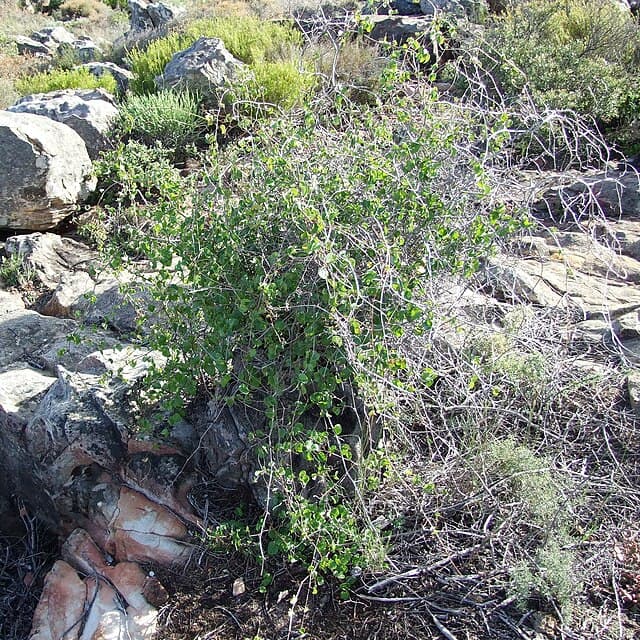
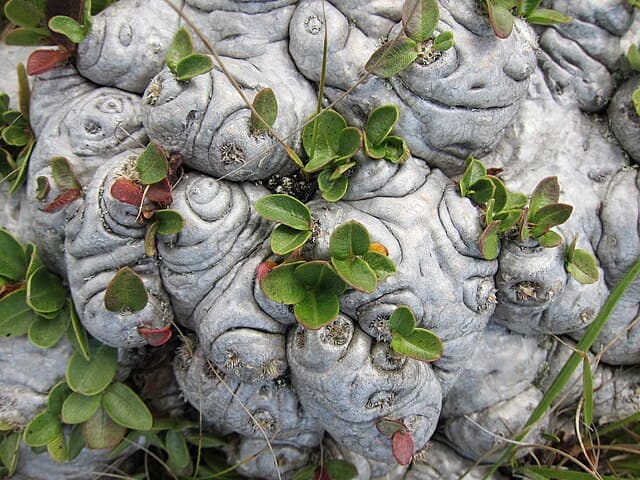
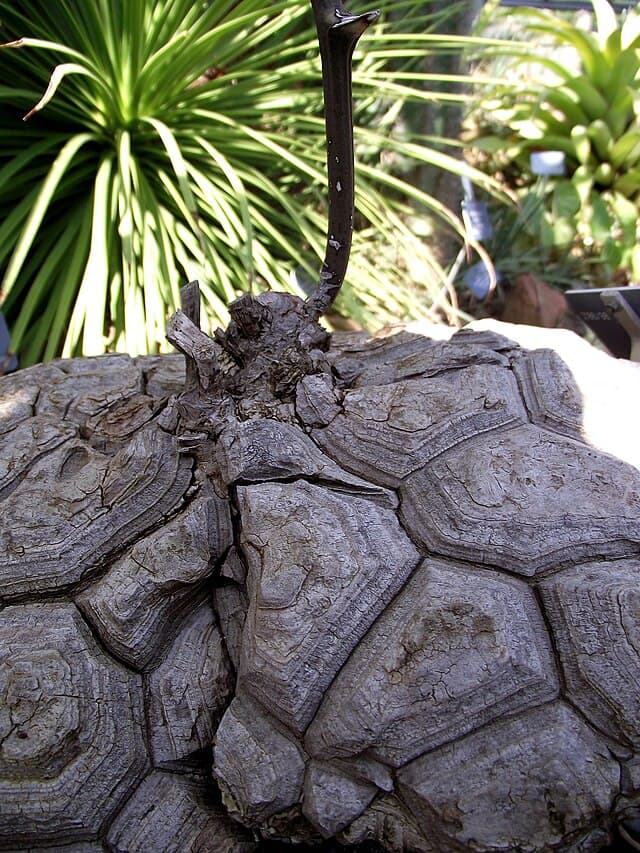
Called Mexican Tortoise Plant with rounder caudex, summer-growing unlike the African species.
Difficulté
Intermediate
Température
10〜35℃
Durée de vie
50+ years
Taille
Caudex 10-25cm
Régime alimentaire
−
À propos
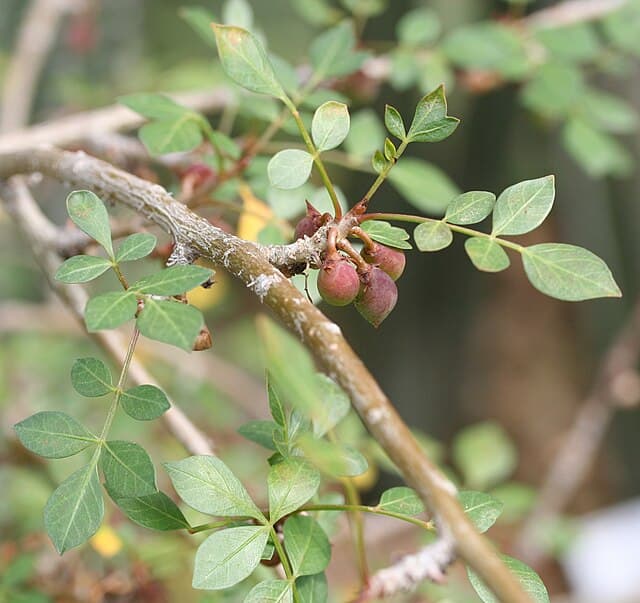
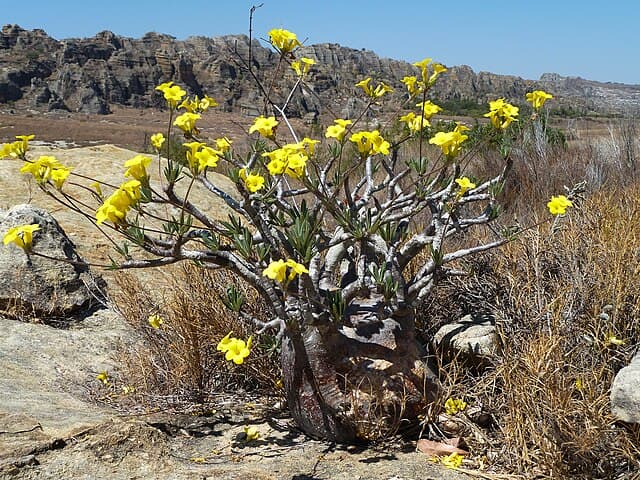
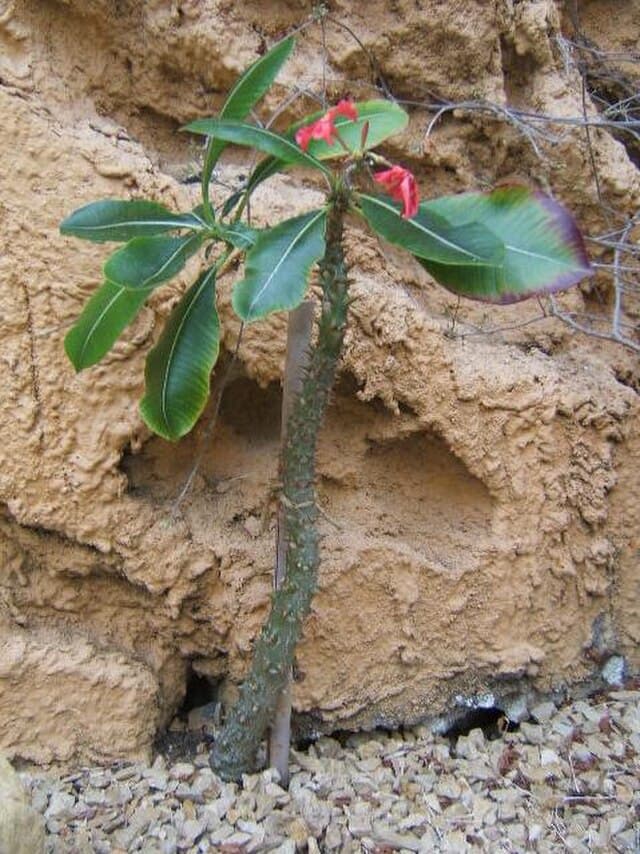
Dioscorea mexicana is native to tropical and subtropical regions from Mexico through Central America. Often called the Mexican Tortoise Plant, its caudex is rounder and smoother than the geometrically ridged D. elephantipes, though it shares the family's characteristic swollen storage organ. Unlike its African relative, it is a summer grower, producing twining stems with heart-shaped to three-lobed leaves during warm months and going dormant in winter. Growth is somewhat faster than D. elephantipes, with reasonable caudex development over time. During the growing season (spring through autumn), it appreciates full sun to bright partial shade and generous watering. Winter dormancy calls for near-complete drought. It is less cold-hardy than the African species, preferring temperatures above 10°C. While less dramatically patterned than its African cousin, its round, charming caudex and summer-growing nature make it a popular and manageable choice.
Informations de base
Origine
Mexico and Central America
Durée de vie
50+ years
Taille
Caudex 10-25cm
Température
10〜35℃
Régime alimentaire
−
Guide d'entretien
Shape
Round caudex
Growing
Summer type
Watering
No water in winter
Difference
Opposite cycle to African
CaudexDioscoreaMexicoSummer Type
FAQ Dioscorea Mexicana
QQuelle est la difficulté de garder Dioscorea Mexicana ?
A
Intermediate. C'est une espèce de niveau intermédiaire. Une certaine expérience préalable et des connaissances en gestion environnementale sont recommandées.
QQuelle est la température idéale pour Dioscorea Mexicana ?
A
La température idéale pour Dioscorea Mexicana est 10〜35℃. Évitez les changements brusques de température et maintenez un environnement stable.
QQuelle est la durée de vie de Dioscorea Mexicana ?
A
Q&R sur Dioscorea Mexicana
Trouver des annonces pour cette espèce