Source: Wikimedia Commons
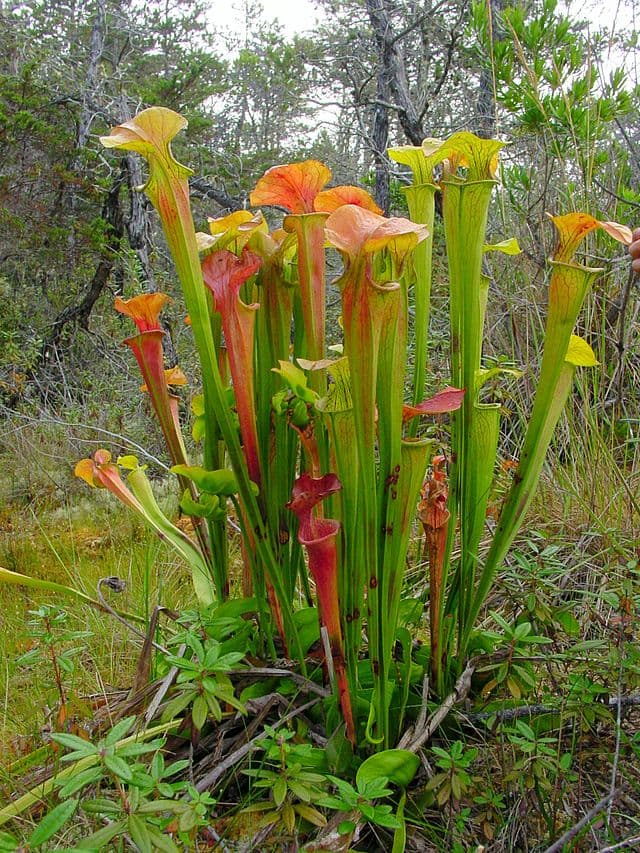
Sarracenia Rubra
IntermediateSarracenia rubra
A small reddish Sarracenia that attracts insects with sweet scent, many varieties exist.
Difficulté
Intermediate
Température
10〜30℃
Durée de vie
10+ years
Taille
20-40cm
Humidité
60〜90%
Régime alimentaire
Insects (auto-capture)
À propos
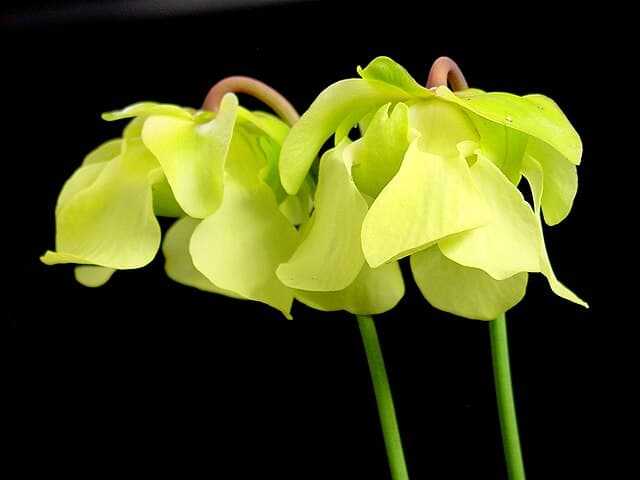
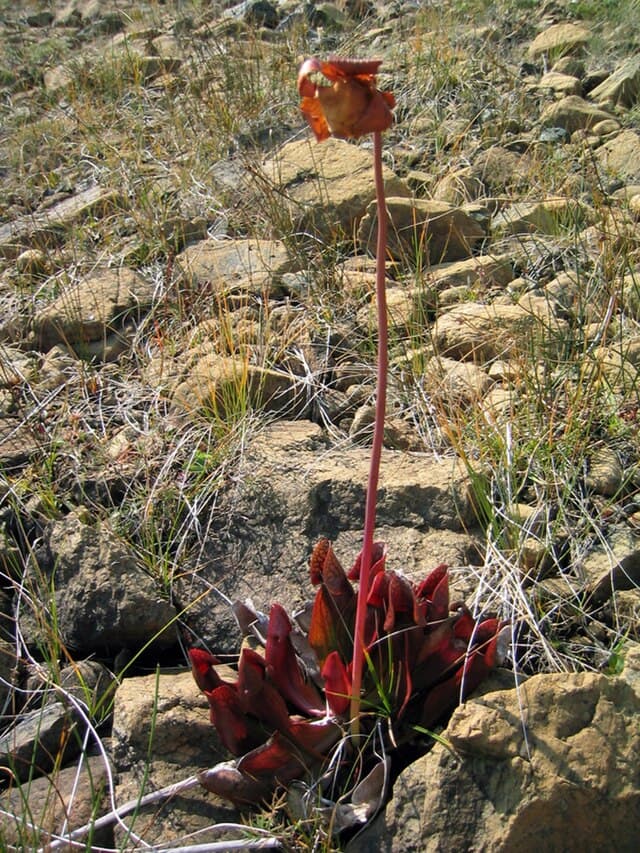
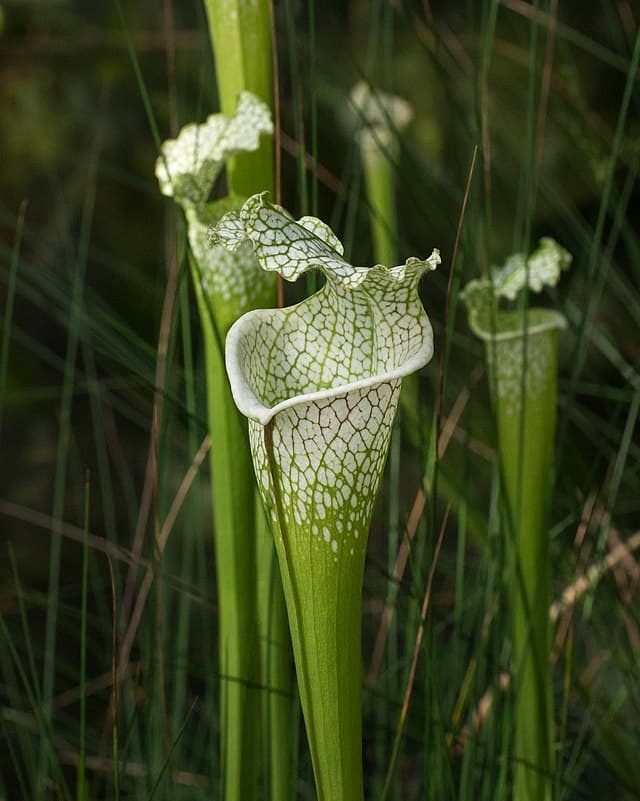
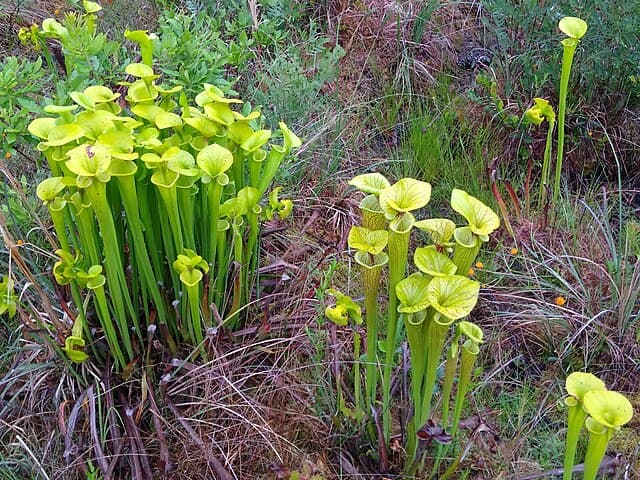
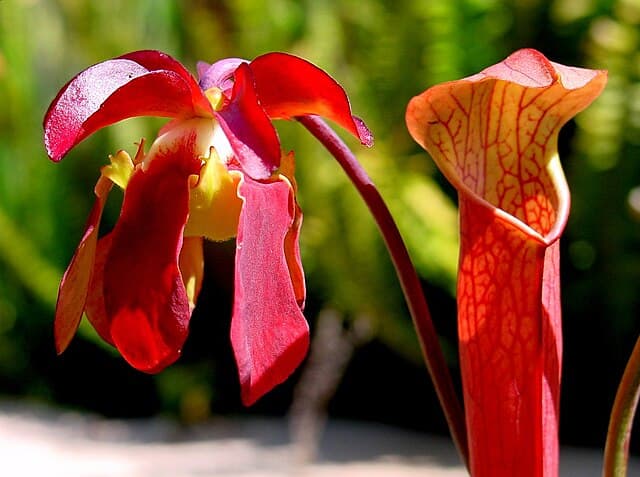
Sarracenia rubra, the sweet pitcher plant, is a relatively small species distributed across the southeastern United States from North Carolina to Alabama, with several recognized subspecies occupying distinct geographic ranges. Its slender, reddish pitchers are notably fragrant, secreting a sweet nectar from the lid that lures insects more strongly than many other Sarracenia species—a characteristic that has earned it the 'sweet' common name. Multiple subspecies and varieties with differing morphology are recognized. Cultivation follows the standard Sarracenia protocol: nutrient-poor acidic media, tray watering with pure or rainwater, full sun, and mandatory cold winter dormancy. Its compact size makes it suitable for growing in limited spaces, and both its flowers and fragrance contribute to its ornamental appeal.
Informations de base
Origine
Southeastern USA (North Carolina to Alabama), bogs and seepage wetlands
Durée de vie
10+ years
Taille
20-40cm
Température
10〜30℃
Humidité
60〜90%
Régime alimentaire
Insects (auto-capture)
Guide d'entretien
Fragrance
Sweet scent
Size
Small
Varieties
Many varieties
Light
Full sun
CarnivorousSarraceniaRedFragrant
FAQ Sarracenia Rubra
QQuelle est la difficulté de garder Sarracenia Rubra ?
A
Intermediate. C'est une espèce de niveau intermédiaire. Une certaine expérience préalable et des connaissances en gestion environnementale sont recommandées.
QQuelle est la température idéale pour Sarracenia Rubra ?
A
La température idéale pour Sarracenia Rubra est 10〜30℃. L'humidité recommandée est 60〜90%. Évitez les changements brusques de température et maintenez un environnement stable.
QQuelle est la durée de vie de Sarracenia Rubra ?
A
Q&R sur Sarracenia Rubra
Trouver des annonces pour cette espèce