Source: Wikimedia Commons
Drosera Burmannii
BeginnerDrosera burmannii
A sundew that captures insects very quickly, curling leaves in seconds. Sometimes annual.
Difficulté
Beginner
Température
10〜30℃
Durée de vie
1-3 years
Taille
2-5cm
Humidité
60〜90%
Régime alimentaire
Insects (auto-capture)
À propos
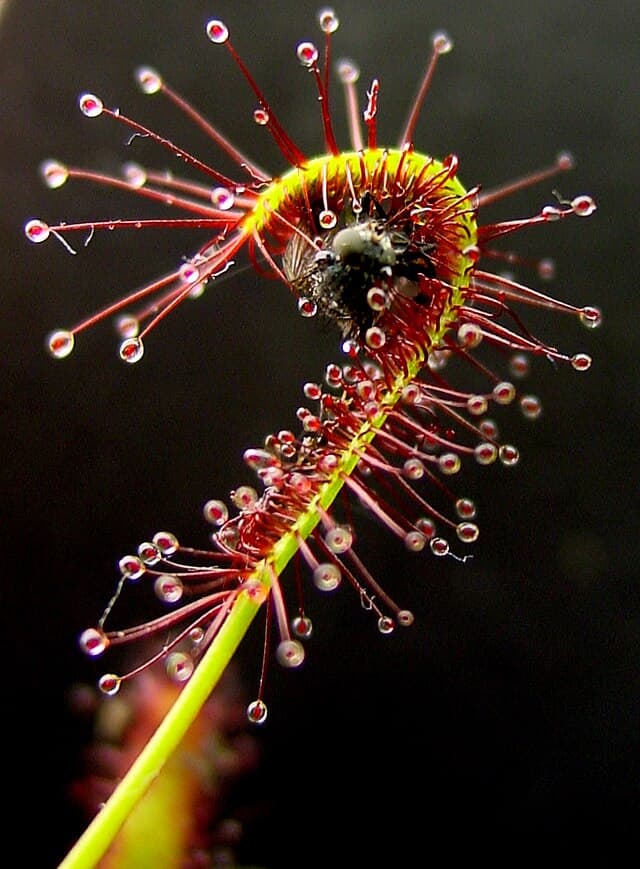
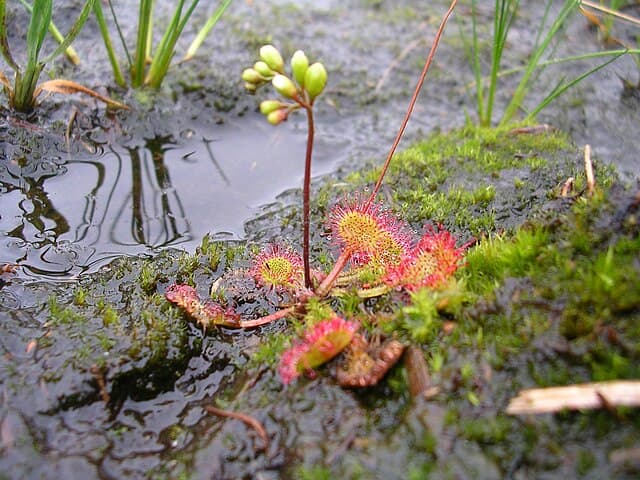
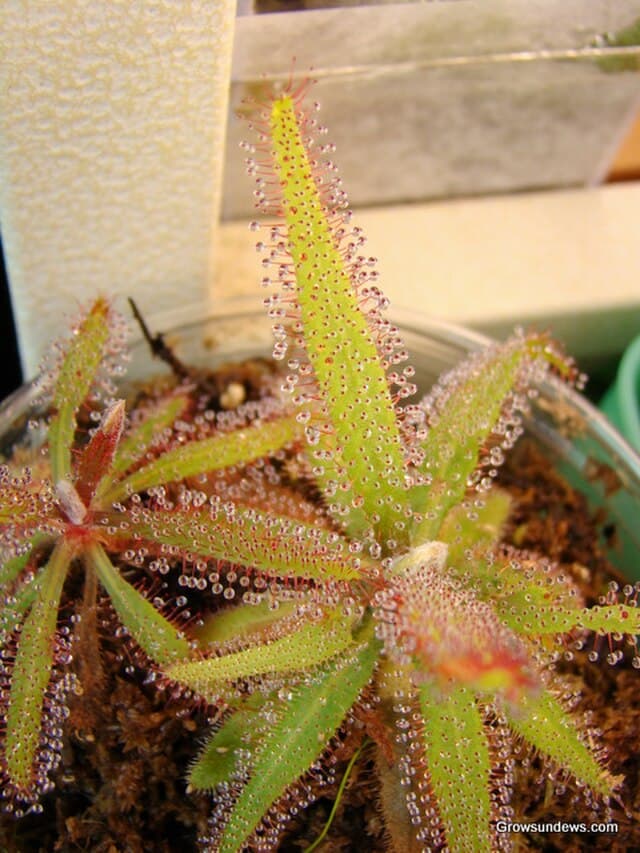
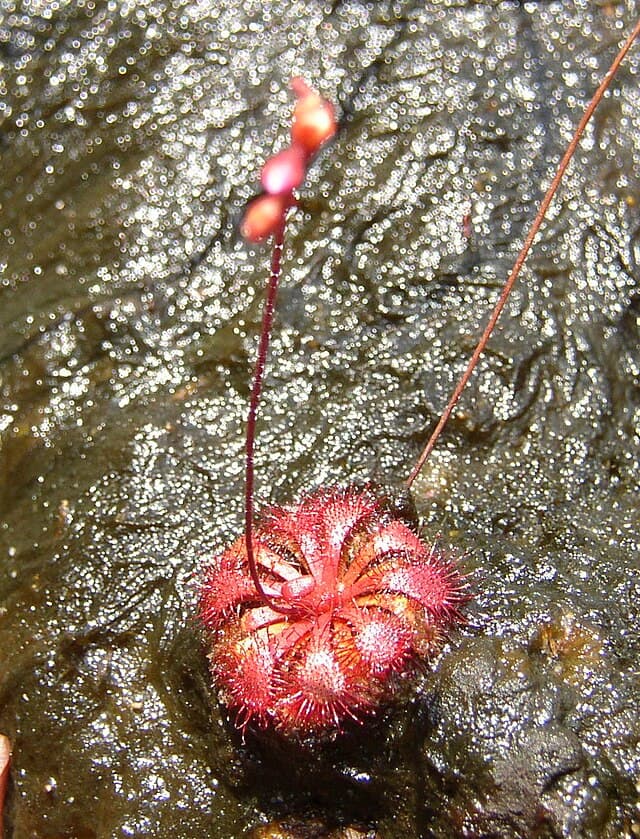
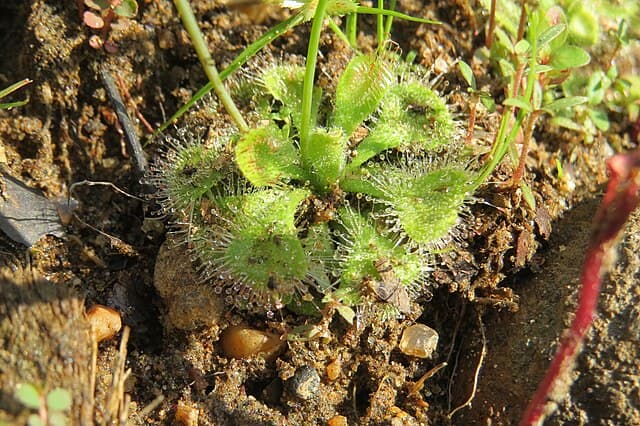
Drosera burmanni is a small, widespread sundew distributed from India across Southeast Asia to northern Australia, with records also from the Ryukyu Islands of Japan. It is notable for the remarkable speed of its tentacle response: unlike most sundews, which take hours to curl their tentacles around prey, D. burmanni can fold its leaf margin inward within seconds of insect contact—one of the fastest trap responses among sticky-trap carnivorous plants. The plant is commonly treated as an annual, completing its life cycle in a single season and relying on abundant seed production for persistence. It forms small rosettes with orange to red tentacles and thrives in nutrient-poor sphagnum or peat-perlite media with tray watering, full sun, and warm temperatures (20–35°C). Cold tolerance is minimal.
Informations de base
Origine
India, Southeast Asia, and northern Australia, moist grasslands and wetlands (also recorded in the Ryukyu Islands, Japan)
Durée de vie
1-3 years
Taille
2-5cm
Température
10〜30℃
Humidité
60〜90%
Régime alimentaire
Insects (auto-capture)
Guide d'entretien
Speed
Captures in seconds
Lifespan
May be annual
Seeds
Continue from seed
Watering
Tray watering
CarnivorousSundewFastAnnual
FAQ Drosera Burmannii
QQuelle est la difficulté de garder Drosera Burmannii ?
A
Beginner. C'est une espèce adaptée aux débutants. Aucun équipement spécial ni expérience n'est requis, et elle peut être maintenue avec succès avec une installation de soins de base.
QQuelle est la température idéale pour Drosera Burmannii ?
A
La température idéale pour Drosera Burmannii est 10〜30℃. L'humidité recommandée est 60〜90%. Évitez les changements brusques de température et maintenez un environnement stable.
QQuelle est la durée de vie de Drosera Burmannii ?
A
Q&R sur Drosera Burmannii
Trouver des annonces pour cette espèce