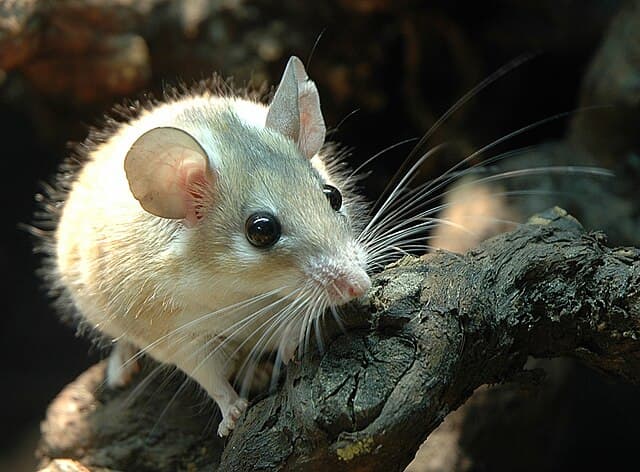
Source: Wikimedia Commons
Spiny Mouse
IntermediateSpiny mouse
Unique mouse with spiny, stiff fur on the back. Highly social and can live in groups. Known for remarkable skin regeneration.
Dificultad
Intermediate
Temperatura
18〜26℃
Esperanza de vida
3-5 years
Tamaño
7-12cm / 30-50g
Humedad
40〜60%
Dieta
Mouse pellets, seeds, dried insects, vegetables
Acerca de
Spiny mice (genus Acomys) are rodents native to arid and semi-arid regions of Africa, the Middle East, and South Asia. Adults measure 8–12 cm in body length and weigh 30–70 g. Their most visible feature is a coat of stiff, spine-like dorsal hairs—modified guard hairs similar in structure to hedgehog spines, though lacking their defensive function. One of their most remarkable biological traits is their exceptional skin regeneration ability: spiny mice can lose large patches of skin as a predator escape mechanism and regrow it completely without scarring, including hair follicles and sweat glands—a capacity unique among mammals. They are social animals and do well in same-sex pairs or groups. Diet is omnivorous: seeds, insects, vegetables, and fruit. They are primarily crepuscular to nocturnal. Housing in a glass tank or well-secured cage with deep bedding is recommended. Optimal temperature is 22–28 °C. Common health concerns include dermatitis, obesity, and neoplasia. Lifespan is 3–5 years.
Source: Wikipedia (CC BY-SA 4.0)
Información básica
Origen
Africa, Middle East, and South Asia
Esperanza de vida
3-5 years
Tamaño
7-12cm / 30-50g
Temperatura
18〜26℃
Humedad
40〜60%
Dieta
Mouse pellets, seeds, dried insects, vegetables
Guía de cuidado
Cage
Spacious cage for groups. Provide multiple hiding spots
Diet
Omnivorous. Provide insects and protein sources regularly
Temperament
Highly social species. Avoid keeping alone
Notes
Tail skin degloving if grabbed. Never hold by the tail
IntermediateSpiny furSocialGroup housing recommended
Preguntas frecuentes de Spiny Mouse
Q¿Qué tan difícil es mantener Spiny Mouse?
A
Intermediate. Esta es una especie de nivel intermedio. Se recomienda algo de experiencia previa y conocimiento de gestión ambiental.
Q¿Cuál es la temperatura ideal para Spiny Mouse?
A
La temperatura ideal para Spiny Mouse es 18〜26℃. La humedad recomendada es 40〜60%. Evita cambios bruscos de temperatura y mantén un ambiente estable.
Q¿Cuál es la esperanza de vida de Spiny Mouse?
A
La esperanza de vida promedio de Spiny Mouse es 3-5 years. Con cuidados y nutrición adecuados, pueden vivir una vida larga y saludable.
Q¿Qué tamaño alcanza Spiny Mouse?
A
Spiny Mouse típicamente alcanza 7-12cm / 30-50g como adulto. El tamaño puede variar según las condiciones de cuidado y la genética individual.
Q¿Qué debo alimentar a Spiny Mouse?
A
Spiny Mouse se alimenta de: Mouse pellets, seeds, dried insects, vegetables. Apunta a una dieta equilibrada con una frecuencia de alimentación adecuada.
Q¿Cuál es el precio típico de Spiny Mouse?
A
El precio de Spiny Mouse varía significativamente según el morfo, tamaño y linaje. Consulta nuestra página de precios de mercado para información actualizada.
Preguntas sobre Spiny Mouse
Especies relacionadas
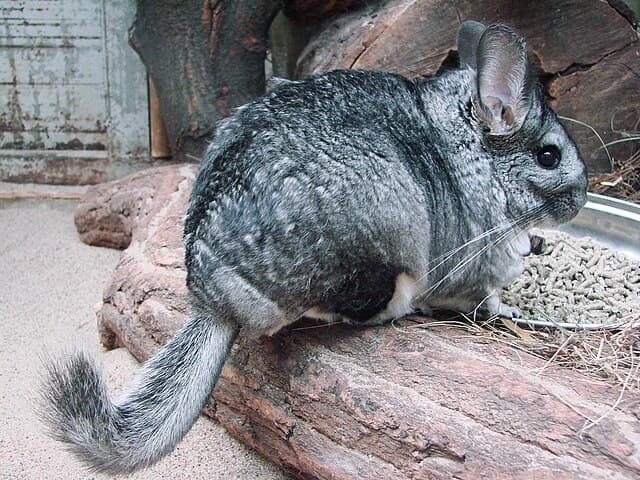
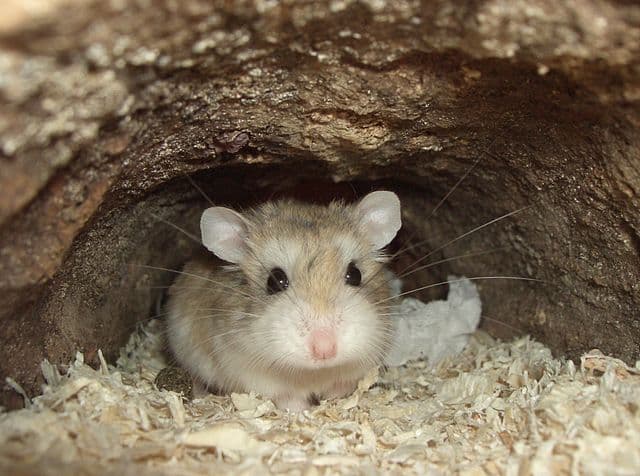
Buscar listados de esta especie
Explorar listados de Small AnimalArtículos relacionados
Complete Beginner's Guide to Small Pet Keeping
Everything beginners need to start keeping small pets: species comparison, cage and bedding selection, feeding, temperature management, and preparation checklist.
Small Pet Cage Setup Guide — Optimal Layouts by Species
Species-specific cage setup guide for hamsters, rabbits, chinchillas, hedgehogs, and guinea pigs: sizing, bedding, accessories, and cleaning tips.
Small Pet Health Checklist — Daily Observation & Warning Signs
Daily health checklist for small pets: appetite, droppings, fur condition, behavior changes, choosing an exotic vet, and emergency first aid.
Summer & Winter Care for Small Pets — Keeping Safe Without AC
Seasonal care for small pets: preventing hamster torpor, rabbit heatstroke prevention, chinchilla summer management, and heater/cooling product recommendations.