
Source: Wikimedia Commons
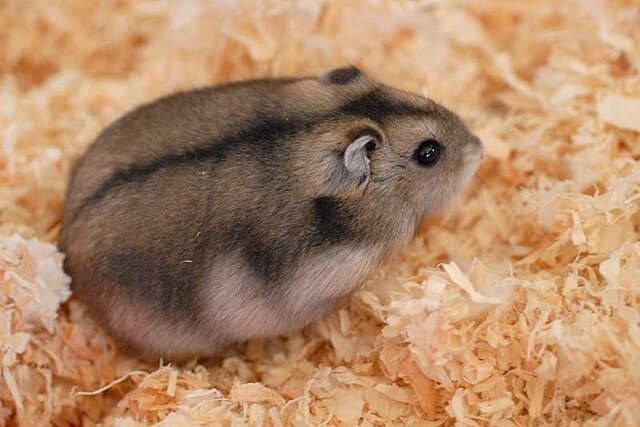
Siberian Hamster
BeginnerSmall hamster from cold climates. Distinctive colors like sapphire blue and pearl. Hardy, cold-tolerant, and relatively easy to keep.
Dificultad
Beginner
Temperatura
18〜26℃
Esperanza de vida
1.5-2.5 years
Tamaño
7-10cm / 30-45g
Humedad
40〜60%
Dieta
Hamster pellets, seeds, vegetables, grains
Acerca de
The name 'Siberian hamster' is commonly applied in the pet trade to dwarf hamsters of the genus Phodopus native to Siberia and adjacent regions, most often the winter white dwarf hamster (P. sungorus) or Campbell's hamster (P. campbelli). Adults measure 7–10 cm and weigh 30–45 g. Originating in the cold steppes of Siberia, Russia, and Kazakhstan, these hamsters have adaptations for cold tolerance, including the ability to develop a whiter winter coat in response to shortened daylight hours. They are energetic and fast-moving, requiring a cage of at least 40 cm width with adequate ventilation and a wheel no smaller than 15 cm in diameter. Diet consists of dwarf hamster pellets supplemented with small amounts of fresh vegetables; sugary foods must be avoided due to susceptibility to diabetes. Optimal temperature is 18–25 °C; summer temperatures above 25 °C can be stressful. Common health concerns include neoplasia, diabetes mellitus, and dermatitis. Lifespan is 1.5–3 years.
Información básica
Origen
Siberia, Russia, and Kazakhstan
Esperanza de vida
1.5-2.5 years
Tamaño
7-10cm / 30-45g
Temperatura
18〜26℃
Humedad
40〜60%
Dieta
Hamster pellets, seeds, vegetables, grains
Guía de cuidado
Cage
Cage 40cm+ wide. Ensure good ventilation
Temperature
Cold-tolerant but heat-sensitive. Keep below 25°C in summer
Temperament
Generally gentle but varies. Tame gradually for best results
Notes
Dwarf species has diabetes risk. Limit sunflower seeds
Beginner-friendlyCold-tolerantUnique colorsHardy
Preguntas frecuentes de Siberian Hamster
Q¿Qué tan difícil es mantener Siberian Hamster?
A
Beginner. Esta es una especie amigable para principiantes. No requiere equipo especial ni experiencia, y puede mantenerse con éxito con una configuración de cuidado básica.
Q¿Cuál es la temperatura ideal para Siberian Hamster?
A
La temperatura ideal para Siberian Hamster es 18〜26℃. La humedad recomendada es 40〜60%. Evita cambios bruscos de temperatura y mantén un ambiente estable.
Q¿Cuál es la esperanza de vida de Siberian Hamster?
A
La esperanza de vida promedio de Siberian Hamster es 1.5-2.5 years. Con cuidados y nutrición adecuados, pueden vivir una vida larga y saludable.
Q¿Qué tamaño alcanza Siberian Hamster?
A
Siberian Hamster típicamente alcanza 7-10cm / 30-45g como adulto. El tamaño puede variar según las condiciones de cuidado y la genética individual.
Q¿Qué debo alimentar a Siberian Hamster?
A
Siberian Hamster se alimenta de: Hamster pellets, seeds, vegetables, grains. Apunta a una dieta equilibrada con una frecuencia de alimentación adecuada.
Q¿Cuál es el precio típico de Siberian Hamster?
A
El precio de Siberian Hamster varía significativamente según el morfo, tamaño y linaje. Consulta nuestra página de precios de mercado para información actualizada.
Especies relacionadas
Buscar listados de esta especie
Explorar listados de Small AnimalArtículos relacionados
Hamster Escape Prevention & Safety — Cage Selection & Room Exploration
Preventing hamster escapes: secure cage selection, safe room exploration practices, and recapture methods if escape occurs.
Hamster Escape Prevention Guide — Causes, Cage Security & Recapture Methods
Preventing hamster escapes: why hamsters escape, cage-type security measures, search techniques, and safe recapture methods.
Hamster Genetics and Breeding: From Coat Color Gene Basics to the Mechanisms Behind Color Variation
A guide to coat color genetics in Djungarian and golden hamsters, and basic breeding strategies for developing color varieties.
Hamster Species Comparison Guide — Characteristics and Selection of Golden, Djungarian, and Roborovski
Comparing popular pet hamster species: Syrian, Djungarian, and Roborovski — personality, size, care difficulty, and how to choose the right type for your lifestyle.