Source: Wikimedia Commons
Himalayan Rabbit
BeginnerHimalayan rabbit
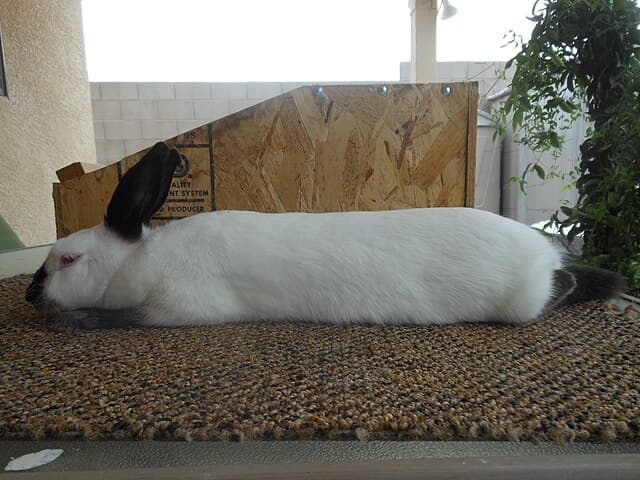
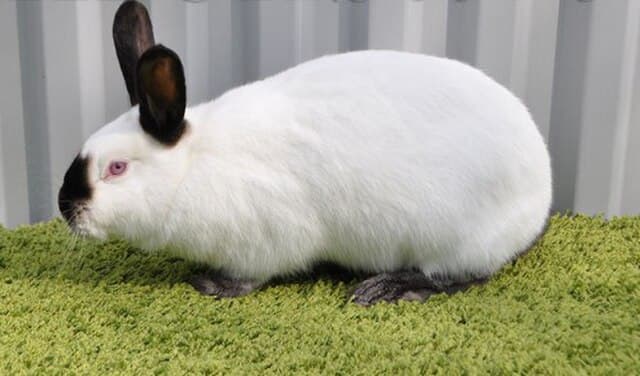
White body with dark points on nose, ears, feet, and tail. Color changes with temperature. Calm and gentle breed.
Dificultad
Beginner
Temperatura
18〜26℃
Esperanza de vida
5-8 years
Tamaño
30-40cm / 1.5-2.5kg
Humedad
40〜60%
Dieta
Timothy hay, rabbit pellets, vegetables
Acerca de
The Himalayan rabbit is one of the oldest domestic rabbit breeds, known since at least the 19th century, with proposed origins in China, Russia, or the Himalayan mountain regions. Adults measure 35–45 cm and weigh 1.1–2.0 kg. Their body is slender and cylindrical, distinctly different from the rounded breeds. Their coat pattern is similar to that of Siamese cats: the body is pure white while the 'points'—nose, ears, feet, and tail—are colored (black, blue, chocolate, or lilac). This coloration is temperature-dependent, produced by a heat-sensitive tyrosinase enzyme; cooler extremities develop more pigmentation. The Himalayan is renowned for its exceptionally calm, docile temperament, making it one of the most manageable rabbit breeds. Diet consists of unlimited timothy hay, pellets, and fresh vegetables. Common health concerns include dental malocclusion, GI stasis, and digestive disorders. Lifespan is 7–12 years.
Source: Wikipedia (CC BY-SA 4.0)
Información básica
Origen
China, Russia, or Himalayan region (origin disputed)
Esperanza de vida
5-8 years
Tamaño
30-40cm / 1.5-2.5kg
Temperatura
18〜26℃
Humedad
40〜60%
Dieta
Timothy hay, rabbit pellets, vegetables
Guía de cuidado
Cage
Medium cage suitable. Place away from direct sunlight
Temperature
Coat color changes with temperature. Colder = darker points
Temperament
Very gentle and docile. Suitable for families with children
Notes
Often has red eyes (albino). Avoid strong light exposure
Beginner-friendlyPoint colorGentleTemperature-responsive color
Preguntas frecuentes de Himalayan Rabbit
Q¿Qué tan difícil es mantener Himalayan Rabbit?
A
Beginner. Esta es una especie amigable para principiantes. No requiere equipo especial ni experiencia, y puede mantenerse con éxito con una configuración de cuidado básica.
Q¿Cuál es la temperatura ideal para Himalayan Rabbit?
A
La temperatura ideal para Himalayan Rabbit es 18〜26℃. La humedad recomendada es 40〜60%. Evita cambios bruscos de temperatura y mantén un ambiente estable.
Q¿Cuál es la esperanza de vida de Himalayan Rabbit?
A
La esperanza de vida promedio de Himalayan Rabbit es 5-8 years. Con cuidados y nutrición adecuados, pueden vivir una vida larga y saludable.
Q¿Qué tamaño alcanza Himalayan Rabbit?
A
Himalayan Rabbit típicamente alcanza 30-40cm / 1.5-2.5kg como adulto. El tamaño puede variar según las condiciones de cuidado y la genética individual.
Q¿Qué debo alimentar a Himalayan Rabbit?
A
Himalayan Rabbit se alimenta de: Timothy hay, rabbit pellets, vegetables. Apunta a una dieta equilibrada con una frecuencia de alimentación adecuada.
Q¿Cuál es el precio típico de Himalayan Rabbit?
A
El precio de Himalayan Rabbit varía significativamente según el morfo, tamaño y linaje. Consulta nuestra página de precios de mercado para información actualizada.
Especies relacionadas
Buscar listados de esta especie
Explorar listados de Small AnimalArtículos relacionados
Rabbit Spay & Neuter Guide — Ideal Age, Cost & Post-Op Care
Comprehensive rabbit spay/neuter guide: ideal timing, cost estimates, surgical process, and post-operative care from a veterinary perspective.
Rabbit Spay & Neuter Guide — Benefits, Risks, Timing & Post-Op Care
Comprehensive guide to rabbit spaying and neutering: benefits, risks, optimal timing, pre-surgery preparation, and post-operative care.
Rabbit Brushing Complete Guide — Preventing Wool Block Through Proper Grooming
How to brush your rabbit: wool block prevention, breed-specific grooming frequency, essential tools, and handling reluctant rabbits.
Rabbit Litter Training Complete Guide — Steps to Success & Troubleshooting Mistakes
Step-by-step rabbit litter training guide covering litter box selection, placement, scent anchoring, and solving common accidents.