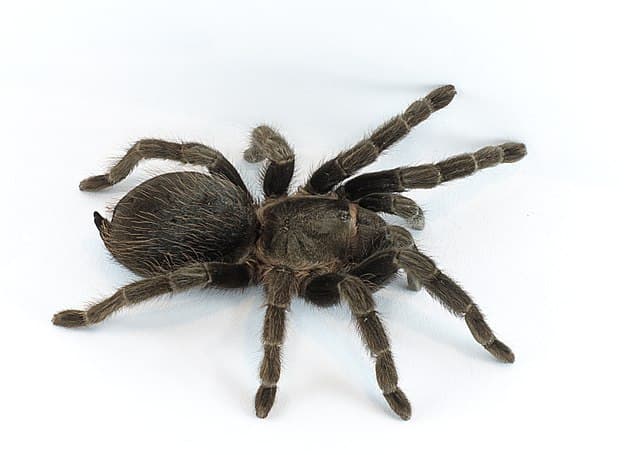
Source: Wikimedia Commons
Tarantula
IntermediateAmong the worlds largest spiders. Despite hairy appearance, many species are docile. Mexican Red Knee popular for beginners.
Dificultad
Intermediate
Temperatura
20〜28℃
Esperanza de vida
10-30 years (female)
Tamaño
Leg span 10-25cm
Humedad
60〜80%
Dieta
Insects like crickets (2-4 times monthly)
Acerca de
Tarantulas are large, hairy spiders belonging to the family Theraphosidae, with over 1,000 described species in nearly 200 genera. They are distributed across tropical and subtropical regions of the Americas, Africa, Asia, and Australia, occupying diverse habitats from arid deserts to rainforest canopies. Body length ranges from roughly 3 to 13 cm depending on species. They are divided broadly into terrestrial burrowing species and arboreal species. In captivity, enclosure size is matched to the individual, and temperatures of 24–28°C are maintained. Prey such as crickets or dubia roaches is offered one to two times per week. Many New World species possess urticating hairs on the abdomen, which can cause skin and eye irritation and must be handled with care. Females of many species are remarkably long-lived, some exceeding 20 years. Their dramatic appearance and species diversity have established tarantulas as one of the most popular invertebrate pets worldwide.
Source: Wikipedia (CC BY-SA 4.0)
Información básica
Origen
tropical and subtropical regions of the Americas, Africa, Asia, and Australia
Esperanza de vida
10-30 years (female)
Tamaño
Leg span 10-25cm
Temperatura
20〜28℃
Humedad
60〜80%
Dieta
Insects like crickets (2-4 times monthly)
Guía de cuidado
Enclosure
Plastic container sized for species
Temperature
24-28°C
Humidity
40-80% depending on species
Feeding
Avoid feeding before and after molting
Notes
Venomous but mild in most species. Watch for urticating hairs
SpiderLargeMoltsLong-lived
Preguntas frecuentes de Tarantula
Q¿Qué tan difícil es mantener Tarantula?
A
Intermediate. Esta es una especie de nivel intermedio. Se recomienda algo de experiencia previa y conocimiento de gestión ambiental.
Q¿Cuál es la temperatura ideal para Tarantula?
A
La temperatura ideal para Tarantula es 20〜28℃. La humedad recomendada es 60〜80%. Evita cambios bruscos de temperatura y mantén un ambiente estable.
Q¿Cuál es la esperanza de vida de Tarantula?
A
La esperanza de vida promedio de Tarantula es 10-30 years (female). Con cuidados y nutrición adecuados, pueden vivir una vida larga y saludable.
Q¿Qué tamaño alcanza Tarantula?
A
Tarantula típicamente alcanza Leg span 10-25cm como adulto. El tamaño puede variar según las condiciones de cuidado y la genética individual.
Q¿Qué debo alimentar a Tarantula?
A
Tarantula se alimenta de: Insects like crickets (2-4 times monthly). Apunta a una dieta equilibrada con una frecuencia de alimentación adecuada.
Q¿Cuál es el precio típico de Tarantula?
A
El precio de Tarantula varía significativamente según el morfo, tamaño y linaje. Consulta nuestra página de precios de mercado para información actualizada.
Preguntas sobre Tarantula
Especies relacionadas
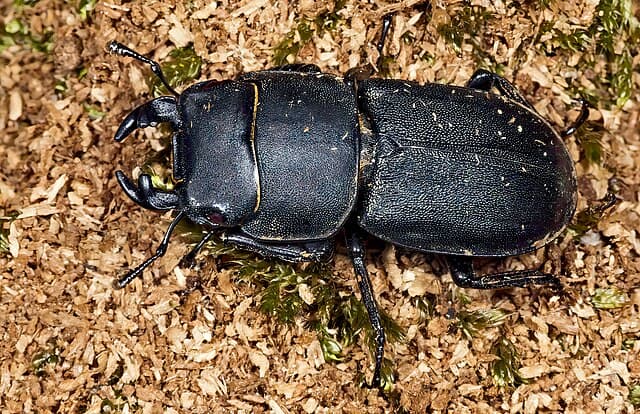
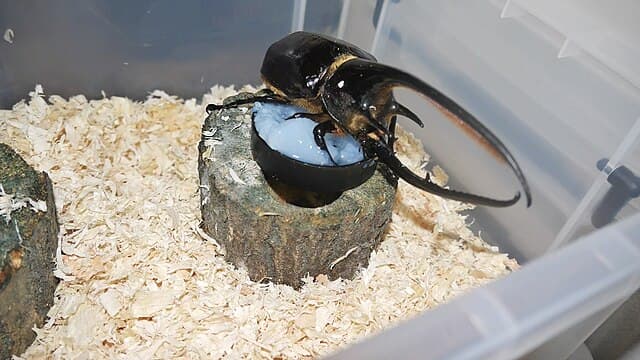
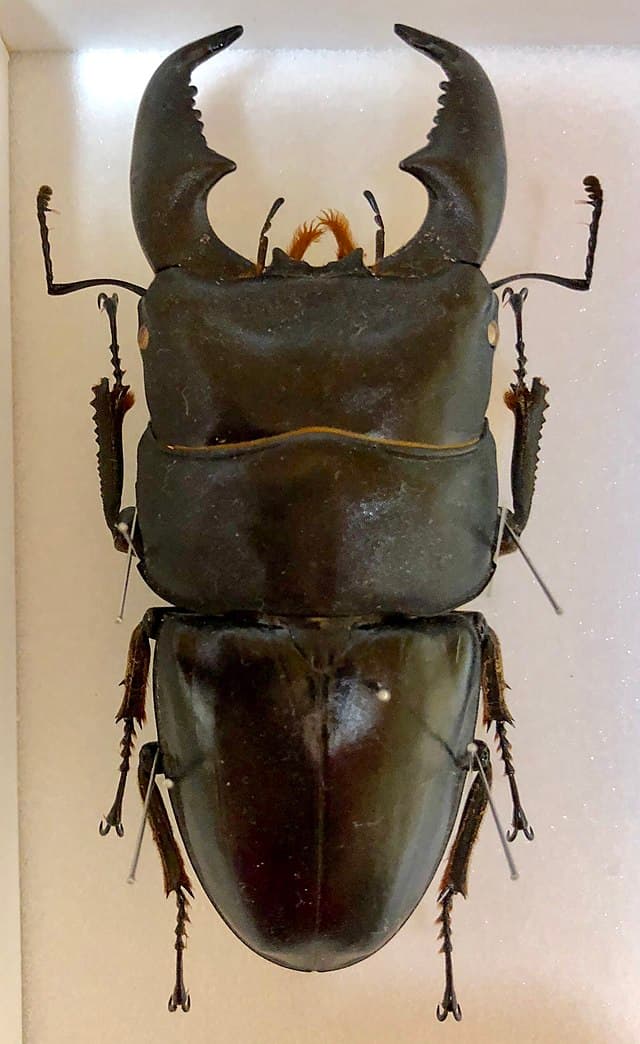
Buscar listados de esta especie
Explorar listados de InsectArtículos relacionados
Tarantula Enclosure Setup — Arboreal vs Terrestrial Layouts
Tarantula enclosure setup: arboreal vs terrestrial configurations, substrate depth, humidity control, ventilation, and feeding guidelines.
Tarantula Feeding & Care Beginner Guide — Species Selection, Feeding & Handling
Getting started with tarantula keeping: beginner-friendly species, feeding methods, enclosure setup, molting care, and handling safety.
Introduction to Tarantula Care
Tarantulas can be surprisingly easy pets. Covers species difficulty levels from beginner-friendly Grammostola to advanced Poecilotheria, with temperature, humidity, and feeding basics.
How Much Does Insect Keeping Cost? Monthly Running Costs Explained
Monthly insect keeping costs for beetles and stag beetles: substrate, jelly, temperature control, and annual breeding cost estimates.