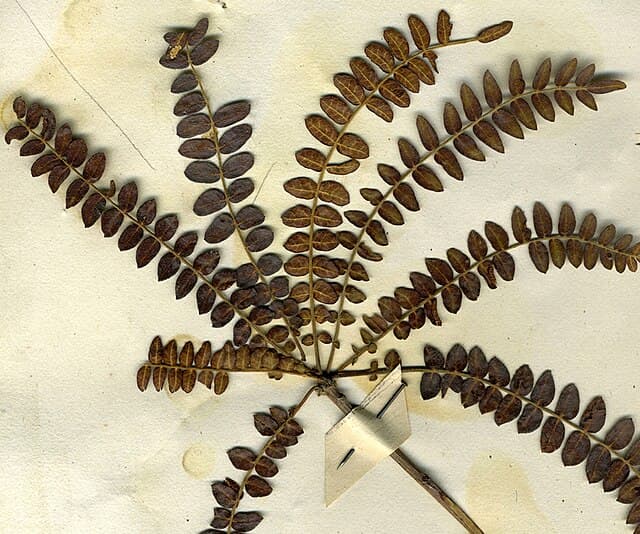
Source: Wikimedia Commons
Boswellia Neglecta
AdvancedBoswellia neglecta
A frankincense relative caudex plant with white bark and unique branching, increasingly popular.
Schwierigkeit
Advanced
Temperatur
10〜35℃
Lebensdauer
30+ years
Größe
20-80cm
Ernährung
−
Über uns
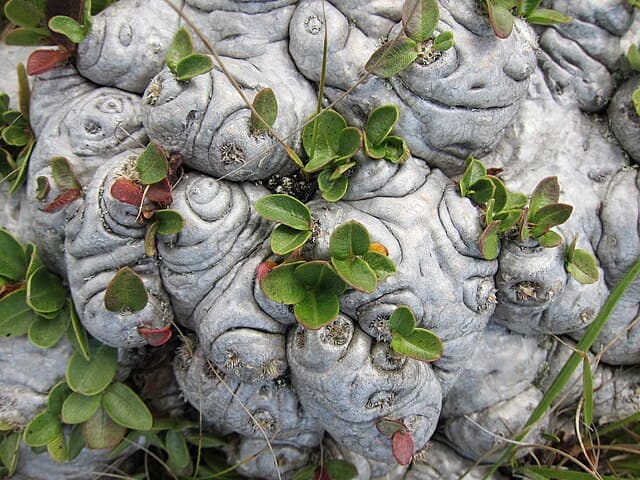
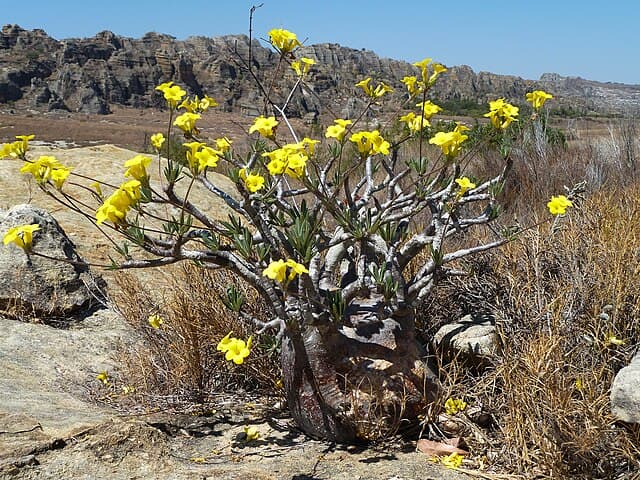
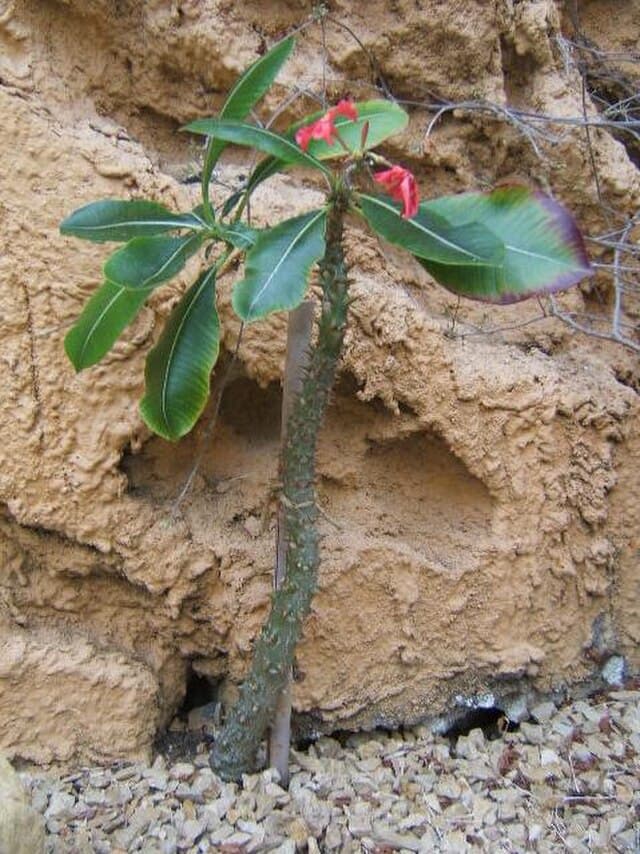
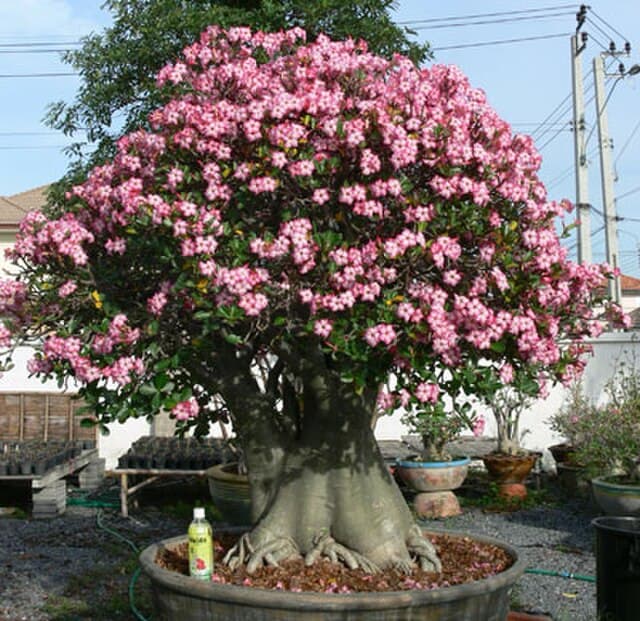
Boswellia neglecta is a member of the Burseraceae family native to arid zones spanning Ethiopia, Kenya, and Somalia. It belongs to the genus that produces frankincense, and injured bark exudes fragrant resin. The plant is distinguished by its striking white to grayish-white peeling bark, which is increasingly sought after by caudex collectors for its sculptural beauty. The trunk thickens substantially with age and branches in a characteristic pattern. Pinnate leaves emerge during the growing season and are shed in dry periods. Growth is slow and large specimens require many years to develop. Full sun and extremely porous soil are essential. Moderate watering during growth transitioning to complete drought in winter is the standard approach. It is sensitive to cold and excess moisture, requiring indoor protection during Japanese winters. Its cultural connection to frankincense adds an additional layer of appeal to its botanical interest.
Grundinformationen
Herkunft
Ethiopia, Kenya, and Somalia
Lebensdauer
30+ years
Größe
20-80cm
Temperatur
10〜35℃
Ernährung
−
Pflegeanleitung
Bark
Beautiful white bark
Light
Full sun
Watering
Very sparingly
Winter
No water
CaudexBoswelliaFrankincenseWhite Bark
Boswellia Neglecta-FAQ
QWie schwierig ist es, Boswellia Neglecta zu halten?
A
Advanced. Dies ist eine Art für Fortgeschrittene. Sie erfordert spezialisierte Ausrüstung und fortgeschrittene Haltungskenntnisse mit präziser Umgebungskontrolle.
QWas ist die ideale Temperatur für Boswellia Neglecta?
A
Die ideale Temperatur für Boswellia Neglecta ist 10〜35℃. Vermeiden Sie plötzliche Temperaturänderungen und halten Sie eine stabile Umgebung aufrecht.
QWie ist die Lebenserwartung von Boswellia Neglecta?
A
Boswellia Neglecta Q&A
Angebote für diese Art finden